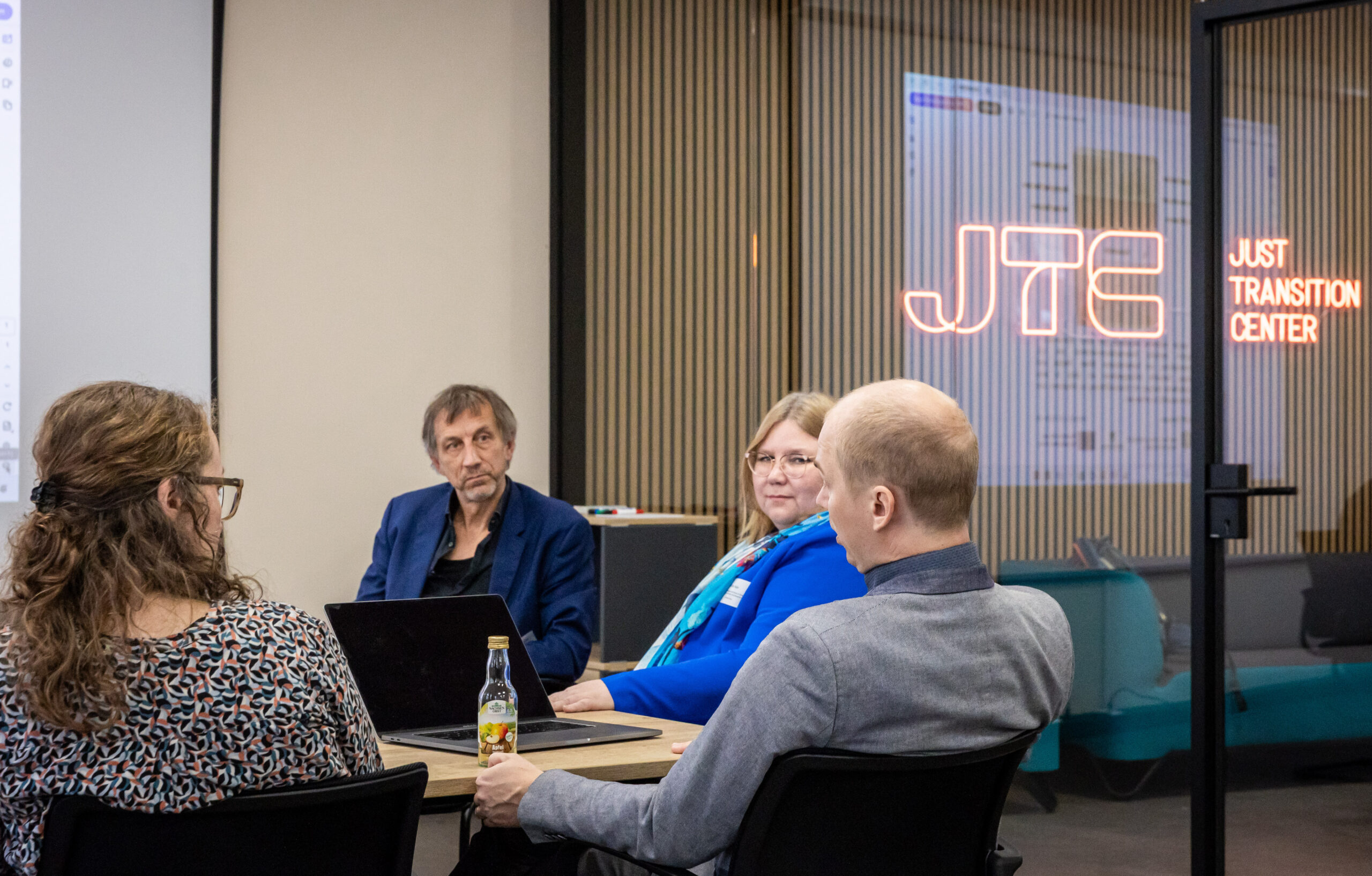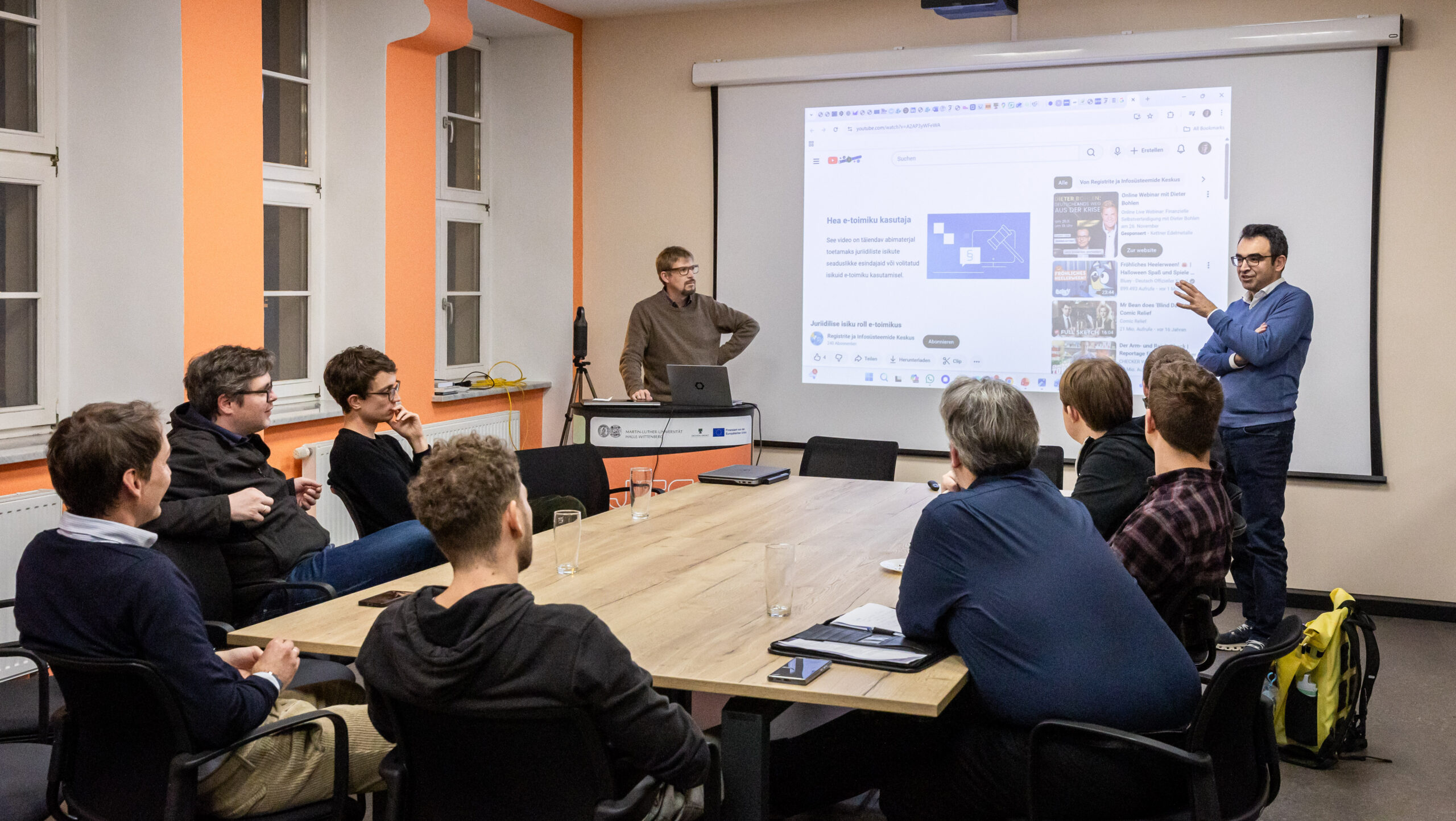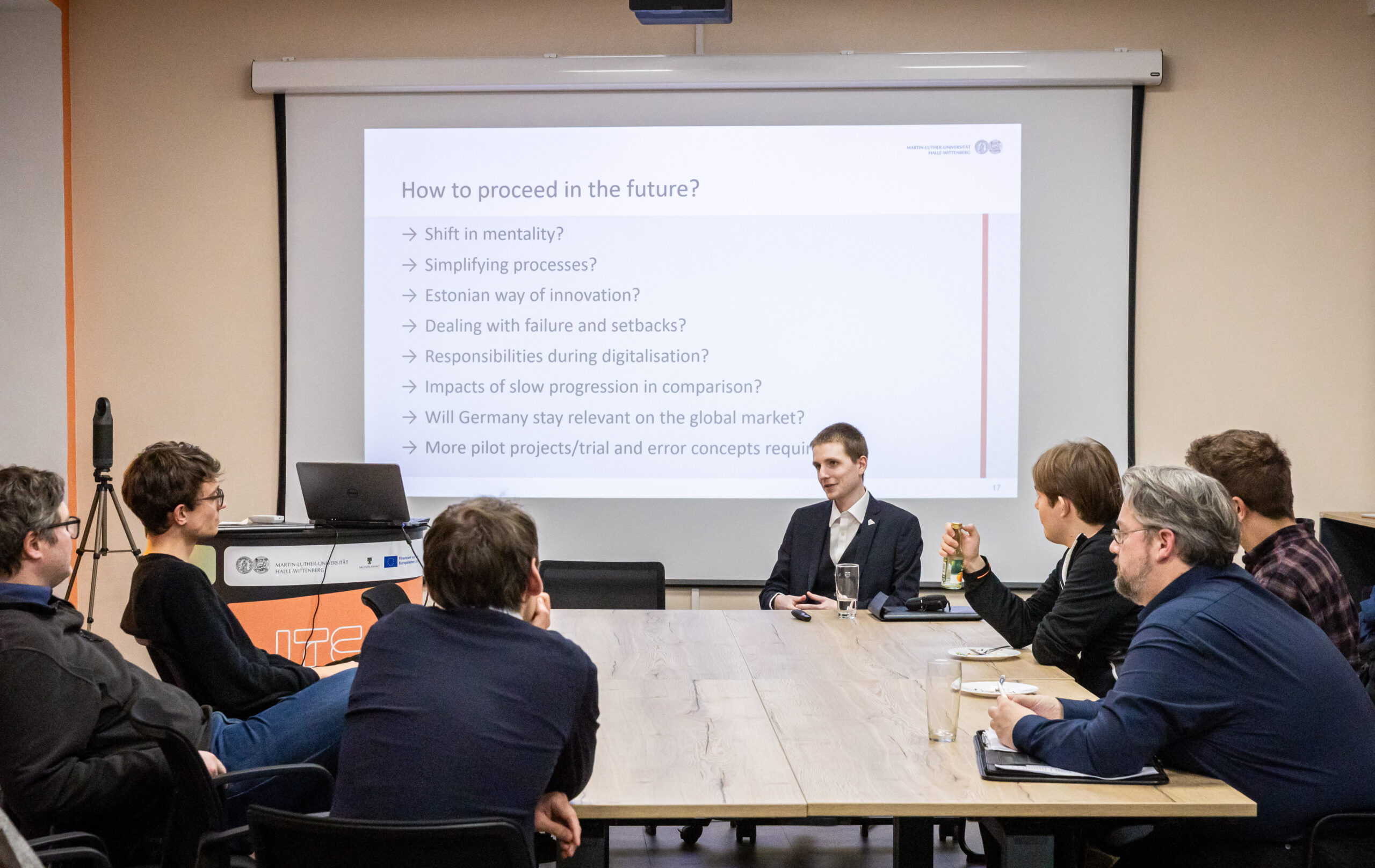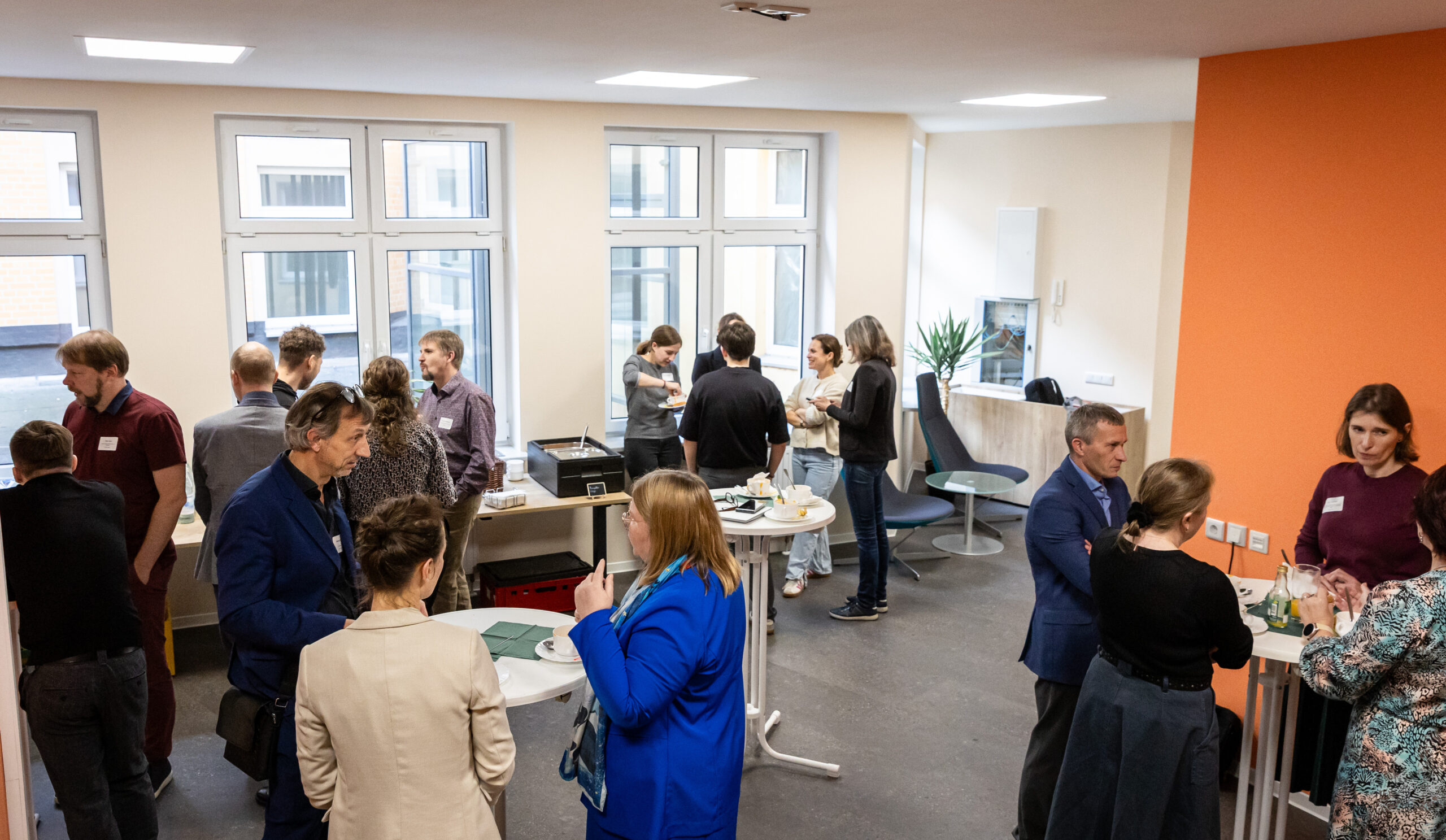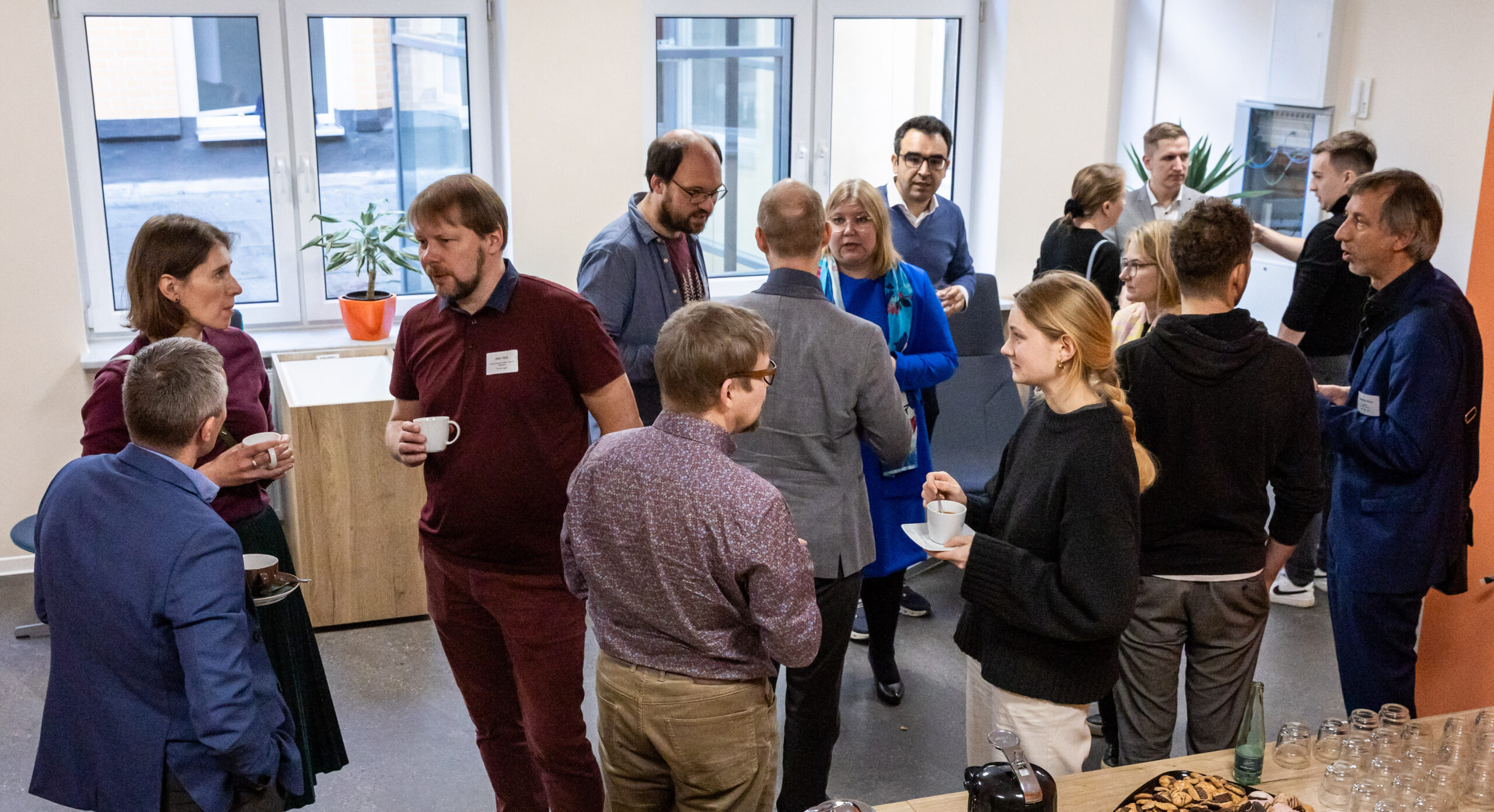
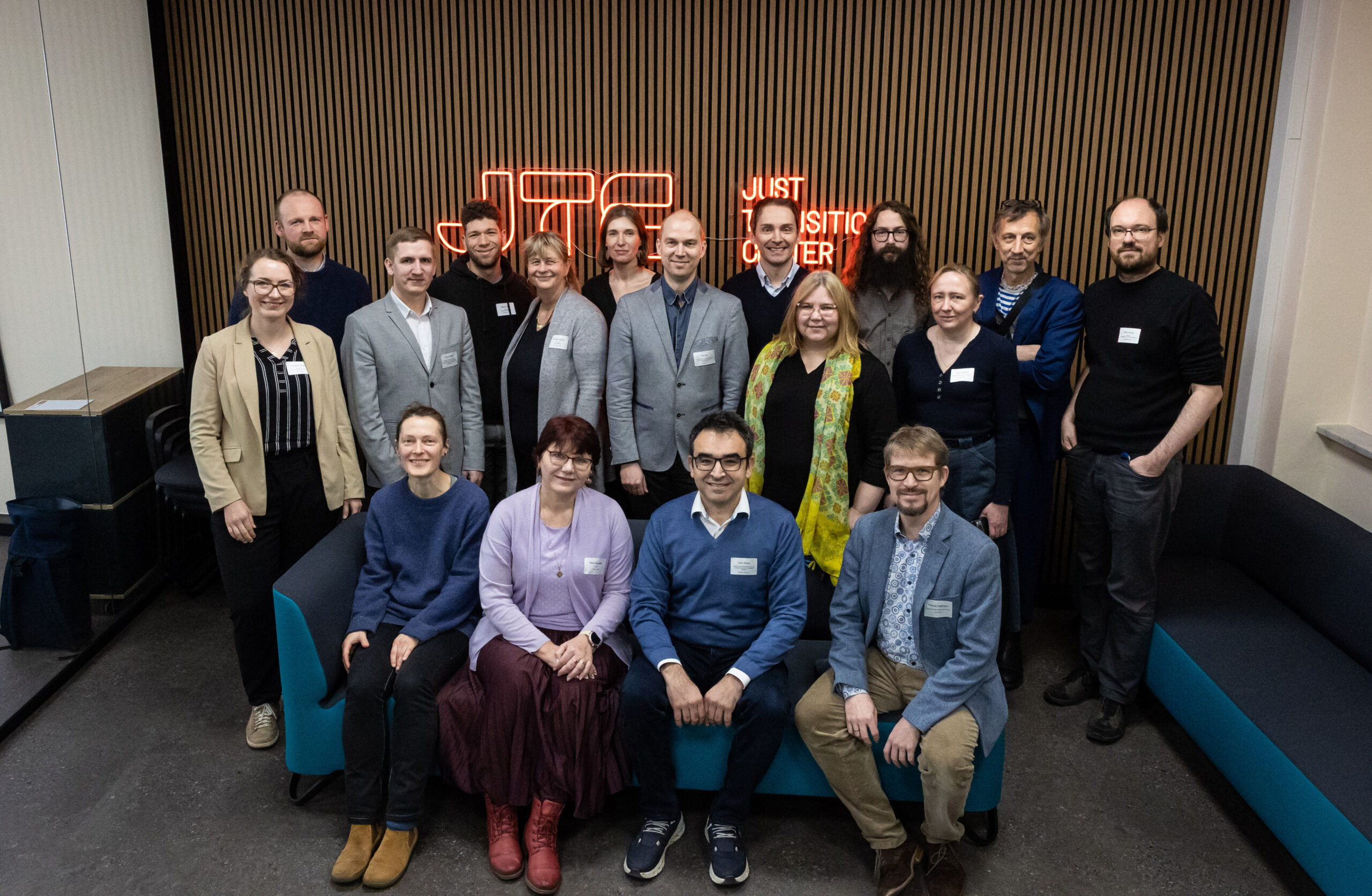
On 13 and 14 November, a delegation from Tallinn University of Technology (TalTech) and TalTech Virumaa College visited the Just Transition Center. This meeting and the associated exchange mark a milestone in the growing cooperation between TalTech, Virumaa College, and the JTC.
Two intensive days full of new impressions, insights, and ideas across diverse research fields – both with the conference participants on site and online. “We were able to gain insights and learn more about the challenges and questions faced by various EU regions such as Romania, Italy, England, Estonia, and Germany in connection with a just transition and structural change,” said Dr. Steffi Formann from Innovation Team A3.
Focus on Funding Programmes
The first day centred on collaboration and the exchange of experiences – particularly with regard to funding opportunities. This is an immensely important topic, as it forms the basis for making research possible in the first place. Horizon Europe, the EU’s central research and innovation programme, played a major role here – currently endowed with EUR 93.5 billion (2021–2027) and planned to be increased to EUR 175 billion for 2028–2034, as proposed by the Commission on 16 July 2025. While the ongoing programme supports international projects on climate, health, digitalisation and sustainable development, the next programme is set to launch additional science-driven “moonshot” projects, aimed at strengthening Europe in strategic areas such as clean aviation, the space economy, and next-generation AI. Negotiations between Parliament, Council, and Commission on the new programme proposal are now beginning.
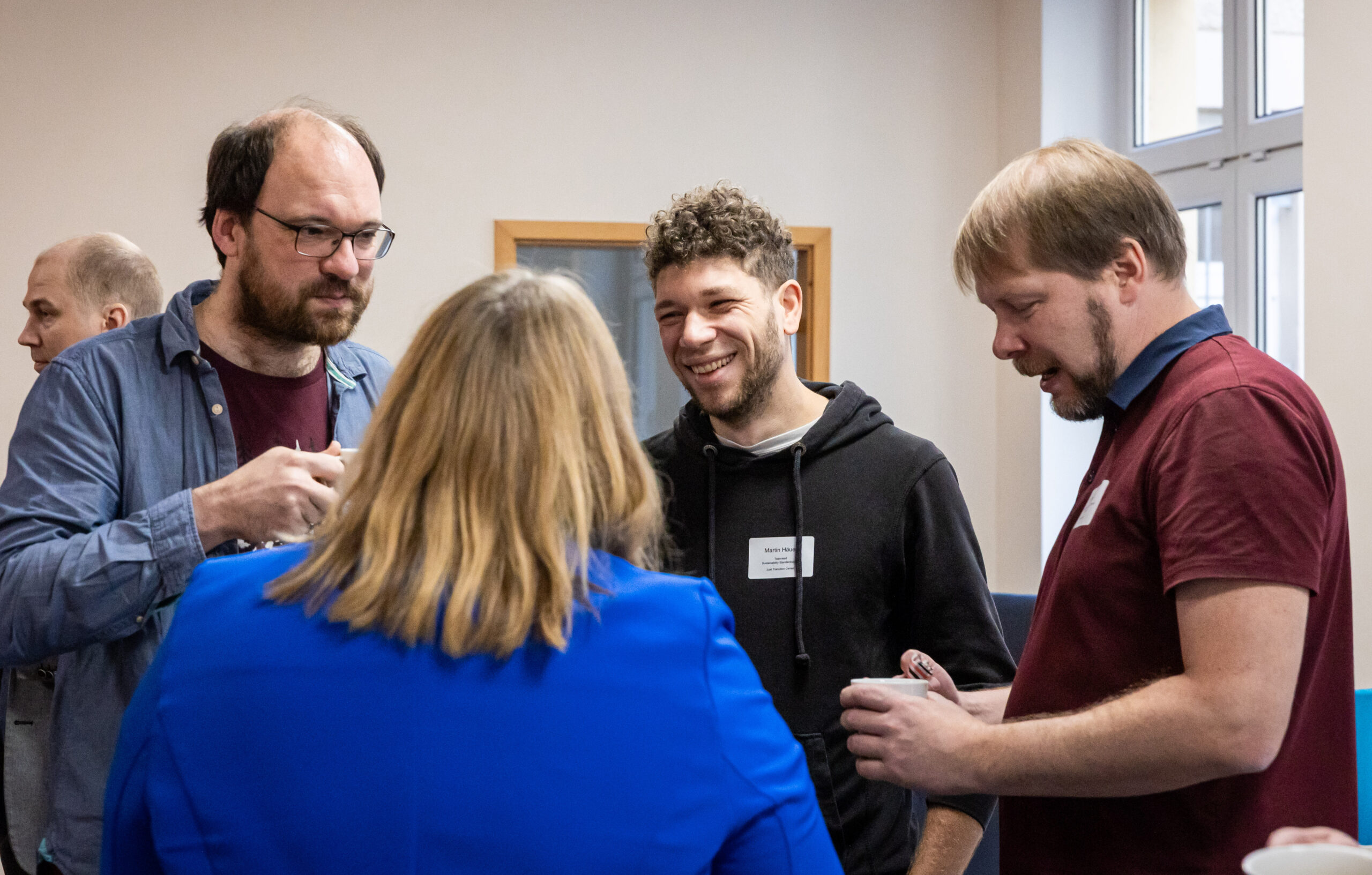
“Taking more time to exchange ideas with colleagues from TalTech and bringing together the many ideas for joint projects was extremely valuable – especially because this happened so early in the process,” said Martin Häuer from Innovation Team C1. He noted that he is used to funding applications being initiated and drafted at the last minute – a process highly susceptible to blind spots both in planning and in conceptual design.
“With the time and mental space available here, we can develop something meaningful and robust, and even test the ideas with partners before submitting them as a three-year project.”
Keynote Lectures on Law, Education and Development, and Socioeconomic Aspects
On the second day, research and knowledge transfer became even more closely intertwined. In keynote presentations on specific thematic areas, ongoing projects were introduced – providing a foundation for subsequent discussions.
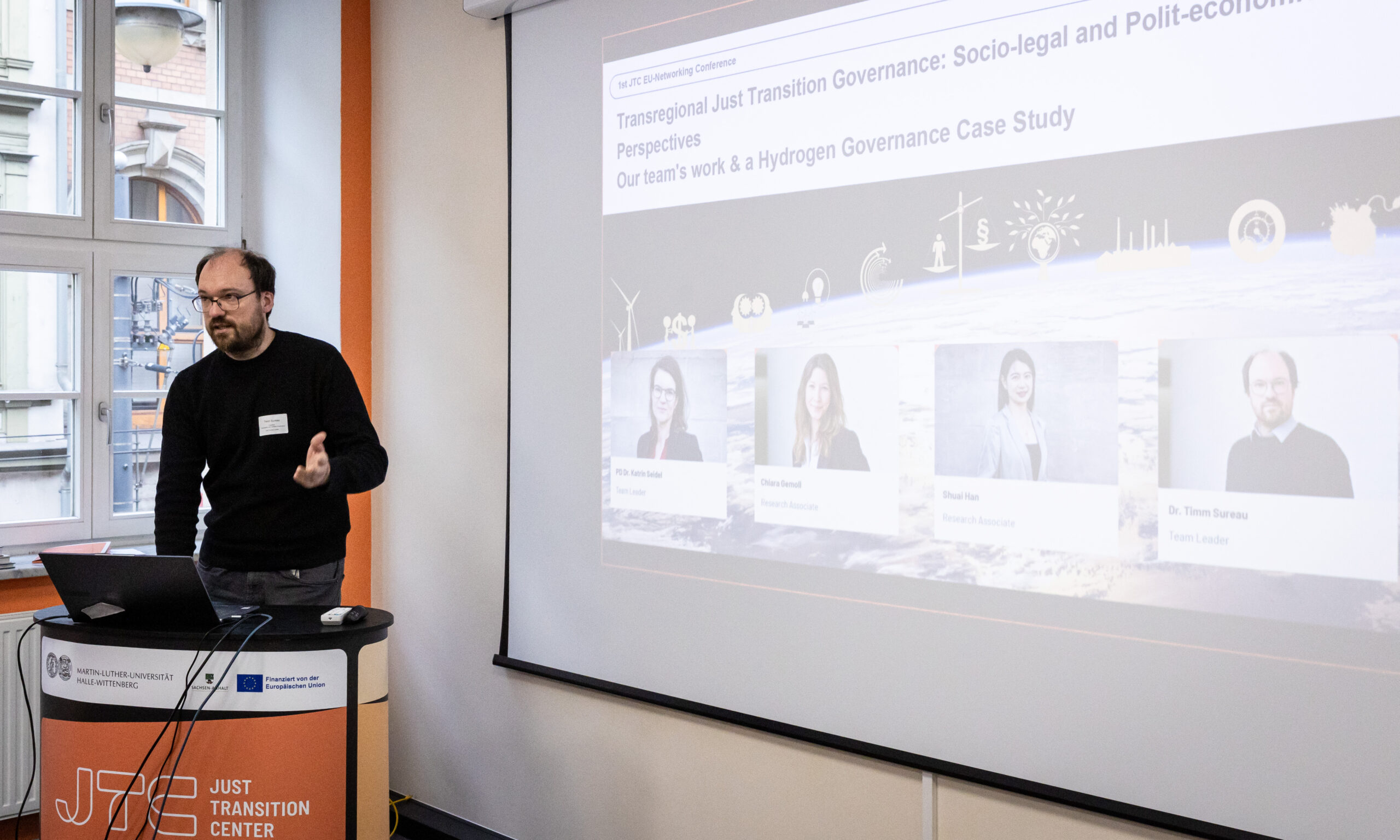
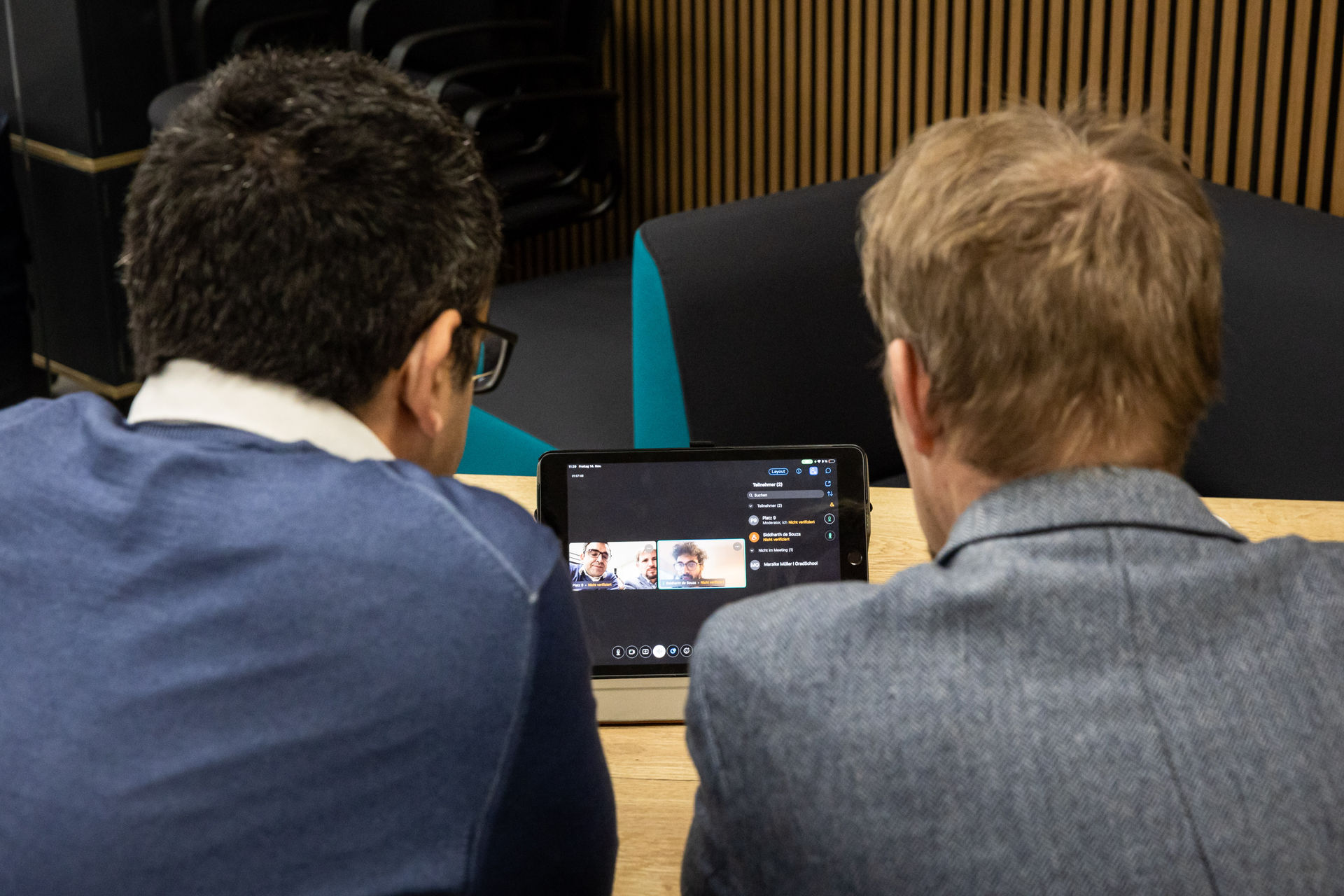
In the “Law” session, Dr. Siddarth De Souza from the University of Warwick (UK) set the thematic framework with “Just Transitions and Data Justice.” He was followed by Dr. Timm Surreau from Innovation Team A7, who presented “Governance of the Just Transition in a Transregional Context.” He explained his team’s work and presented a case study on hydrogen governance. Afterwards, Innovation Team C2 demonstrated how questions of justice and public administration are addressed in this context.
The “Education and Development” session began with Alexandru Kelemen (Romania, Association for Integrated Territorial Development in the Jiu Valley), who provided insights into the Jiu Valley – a region in Romania strongly shaped by coal mining and now at the centre of programmes for structural change and regional development. Korbinian Biller from Innovation Team C3 then described the role of further education and training within the socio-ecological transformation of the chemical industry.
The final session focused on “Socioeconomic Aspects,” introduced by Prof. Lidia Greco (University of Bari Aldo Moro, Italy). She outlined the socioeconomic challenges of ecological transformation using the example of the situation in Taranto.
Building, Expanding, and Strengthening Connections
A particular highlight of the second conference day was an innovative dialogue format: a hybrid scientific speed-dating session and informal conversations that strengthened competencies and facilitated the exchange of interests.
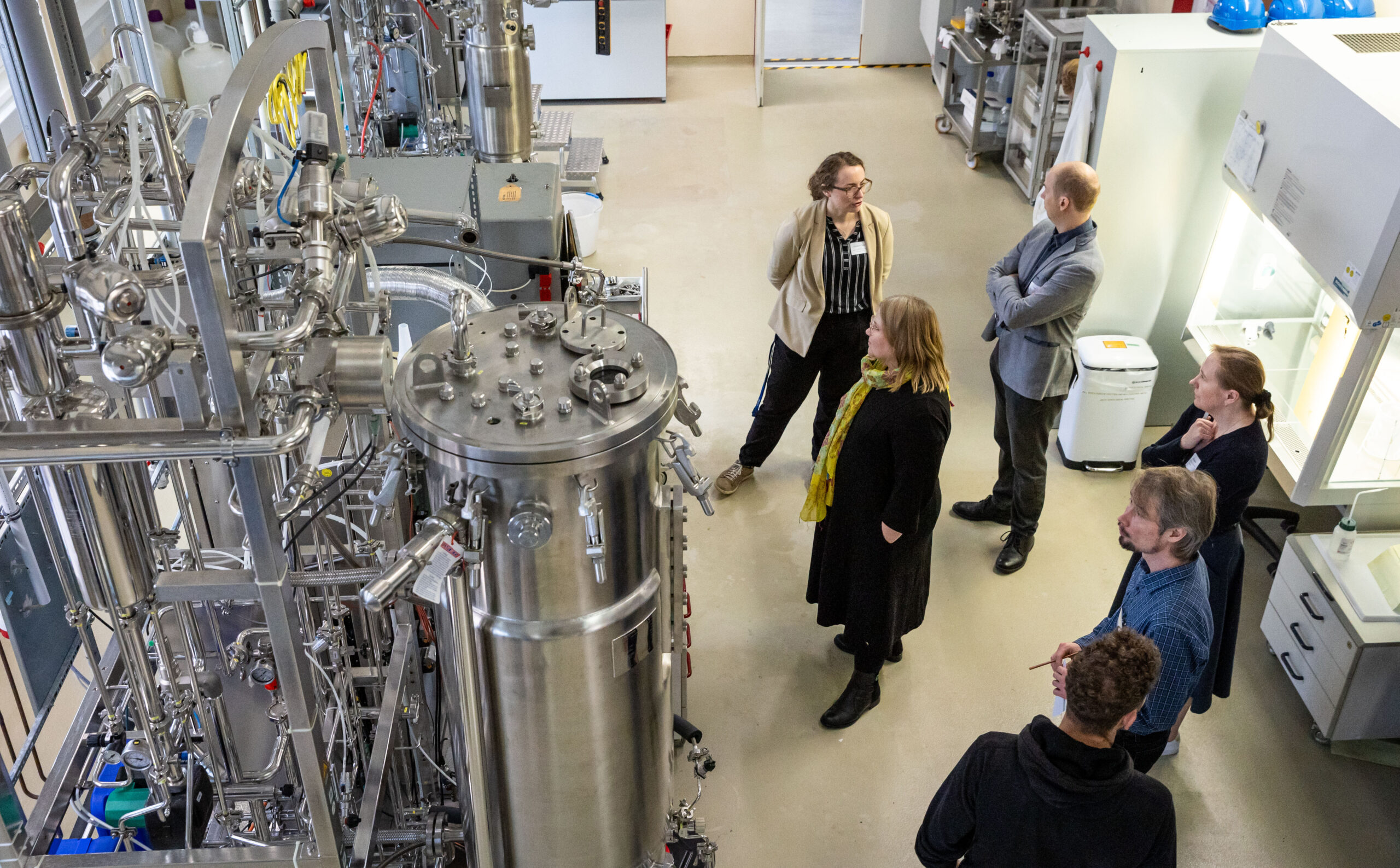
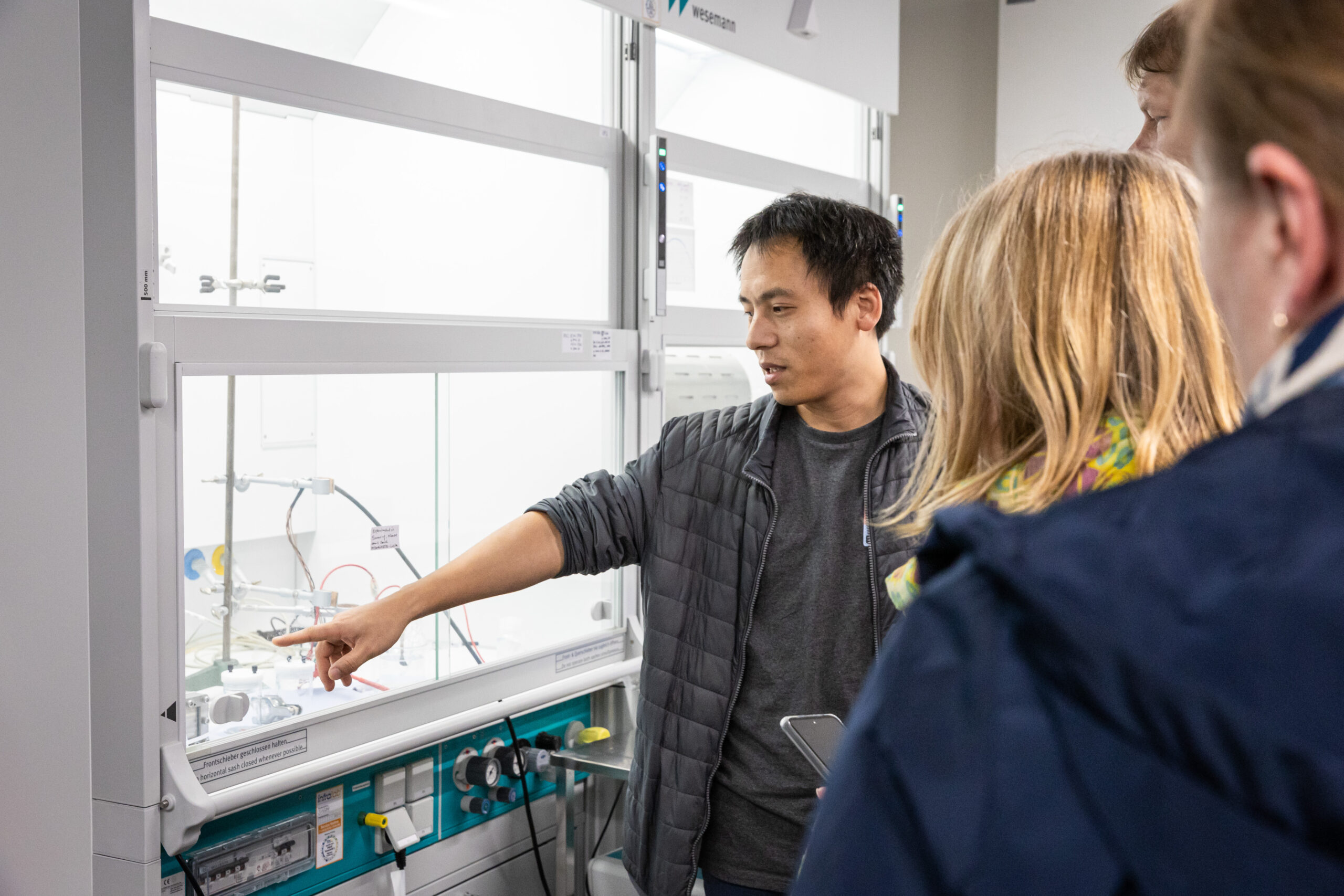
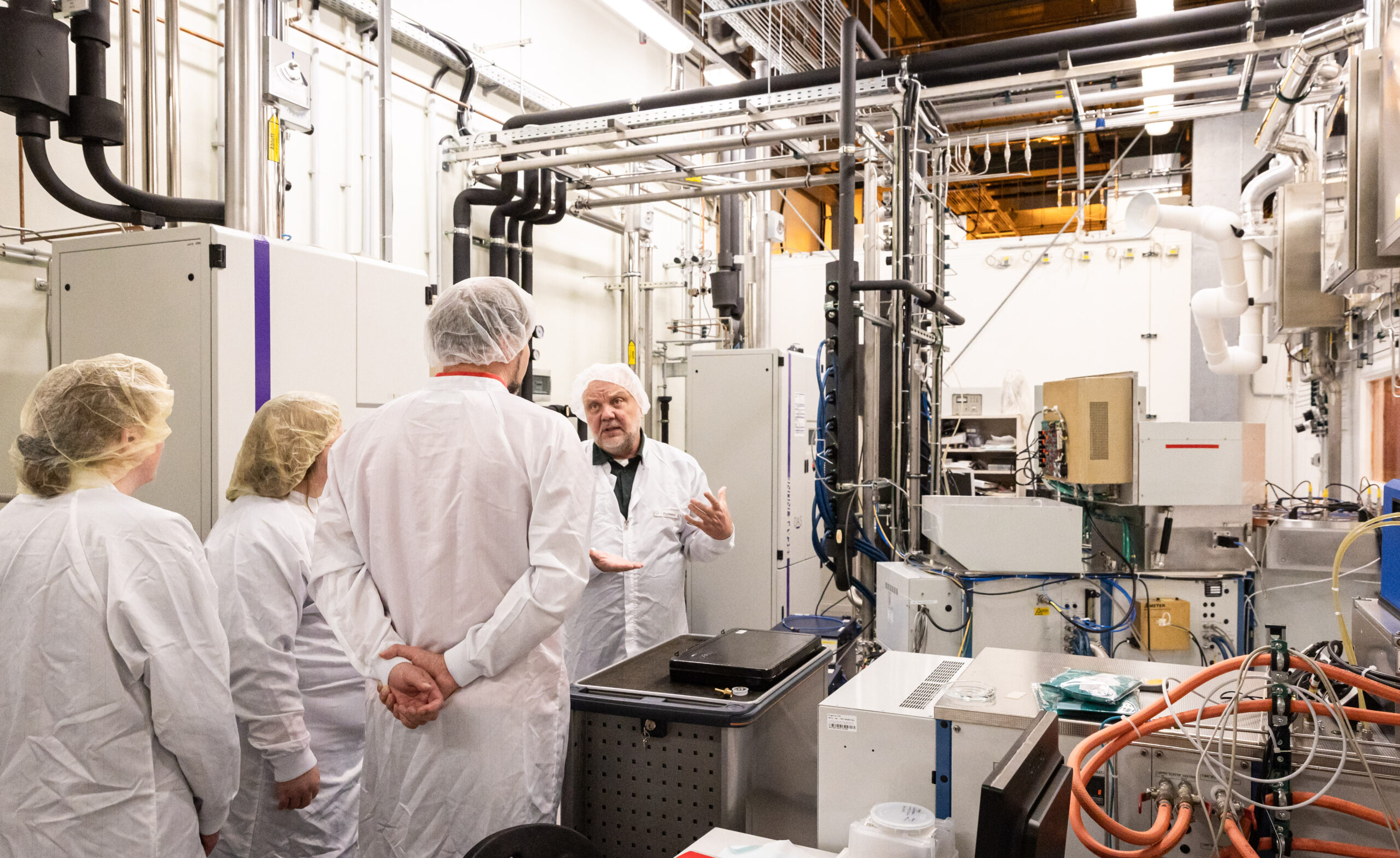
The delegation also gained insights into the research conducted by JTC teams: visits included the biochemistry laboratory (Dr. Constanze Zwies, B4), the cleanroom, and the electrochemistry laboratory (Dr. Haojie Zhang, B3).
“During the visit, we held in-depth discussions on converting industrial waste into valuable and renewable resources,” said Dr. Haojie Zhang. TalTech presented its extensive expertise in the pyrolysis of various waste streams – including wood, plastics, and biowaste – to produce hydrogen and other clean energy carriers. Team B3 showcased its work on electrocatalytic production of renewable energy and chemicals as well as the recovery and recycling of precious metals. “These complementary strengths form an excellent basis for integrated value chains: gaseous products from pyrolysis can be transformed into high-quality chemicals through electrocatalytic processes, while solid products such as carbon can serve as precursors for highly active catalyst materials,” Zhang continued. “By combining our respective strengths in pyrolysis and electrocatalysis, both partners aim to develop innovative solutions for sustainable waste utilisation and resource-efficient green energy systems.”
In addition to scientific insights, the guests also had the opportunity to get to know the city of Halle – during a guided city tour led by Dr. Cornelia Deimer, regional scout in Halle and the Saale district.
“As we see networking as key to further developing complex issues and region-specific challenges, we will once again hold our JTC EU Networking Conference in a hybrid format in spring 2026,” said Formann. Zhang added: “This visit further strengthened the relationship between the Just Transition Center and TalTech and underscored our shared vision to address the central challenges of the energy transition.”
In Retrospect: From 23 to 24 April 2025, researchers from the Just Transition Center (JTC) visited scholars at Tallinn University of Technology (TalTech) to develop joint strategies for European structural change. The background to this was the planned shift in EU funding from the Just Transition Fund (JTF) to the European Competitiveness Fund (ECF).
During the workshop, research groups from the social sciences, humanities, materials research and law presented their current work and identified numerous points of connection for future cooperation. These include joint studies on regional development and social cohesion, the establishment of partnerships for developing sustainable materials and bio-based binders, and collaboration in the fields of digital governance, open-source standards, and LegalTech.
Lab tours and on-site discussions – including a visit to a newly built magnet factory partially funded by the JTF, as well as an exchange with Katri Raik, the mayor of Narva – highlighted the economic and social challenges facing the transformation region of Ida-Virumaa.
The workshop underscored that Estonia and Central Germany are undergoing similar structural transformation processes and can leverage joint innovation potential through close scientific collaboration. The partners involved plan to continue the initiatives launched and expand them under upcoming EU funding instruments.
Further information: Experiences and Perspectives: A Workshop on Future Cooperation Between Just Transition Regions and Research Centers in Estonia and Germany
Note: This article is an automatic translation of the original post. Please be aware that there may be linguistic inaccuracies or differences in interpretation. You can find the original post here.