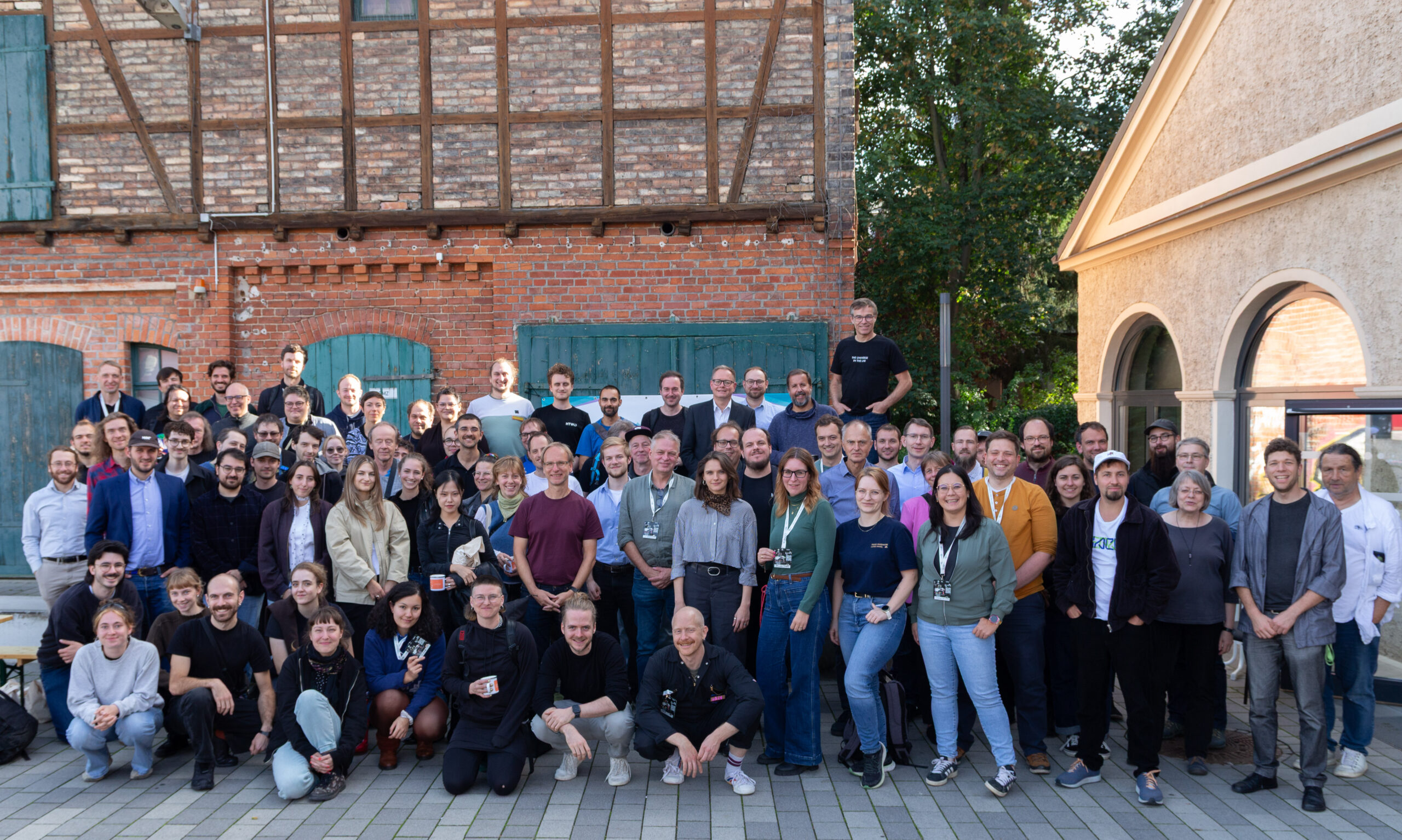
Was geschieht, wenn Open Source-begeisterte Hallenser*innen aus der öffentlichen Verwaltung, der Zivilgesellschaft und der Privatwirtschaft zusammenkommen, um gemeinsam die Frage zu diskutieren, wie mit Open Source-Technologien ein regionaler Impact gelingen kann?
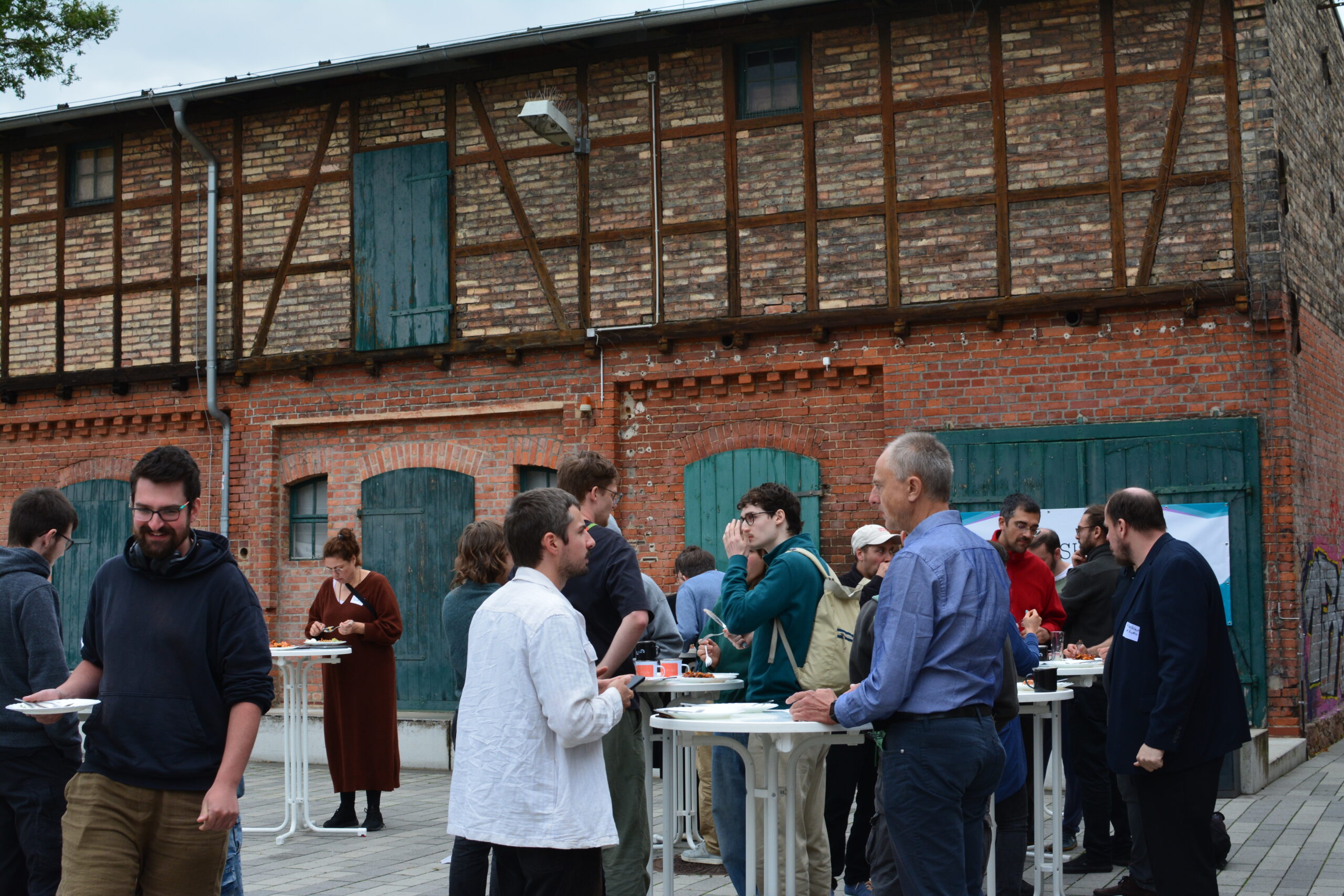
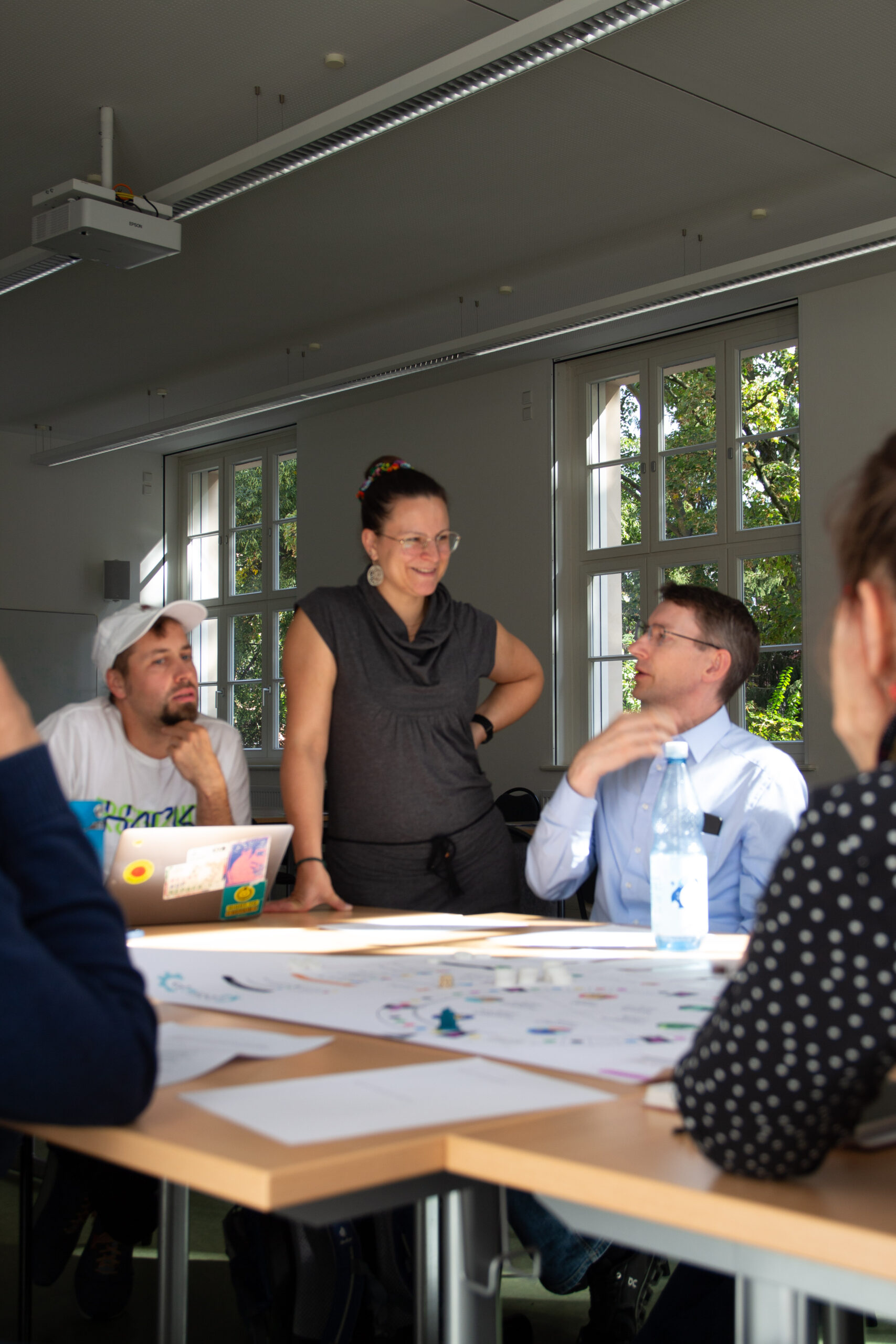
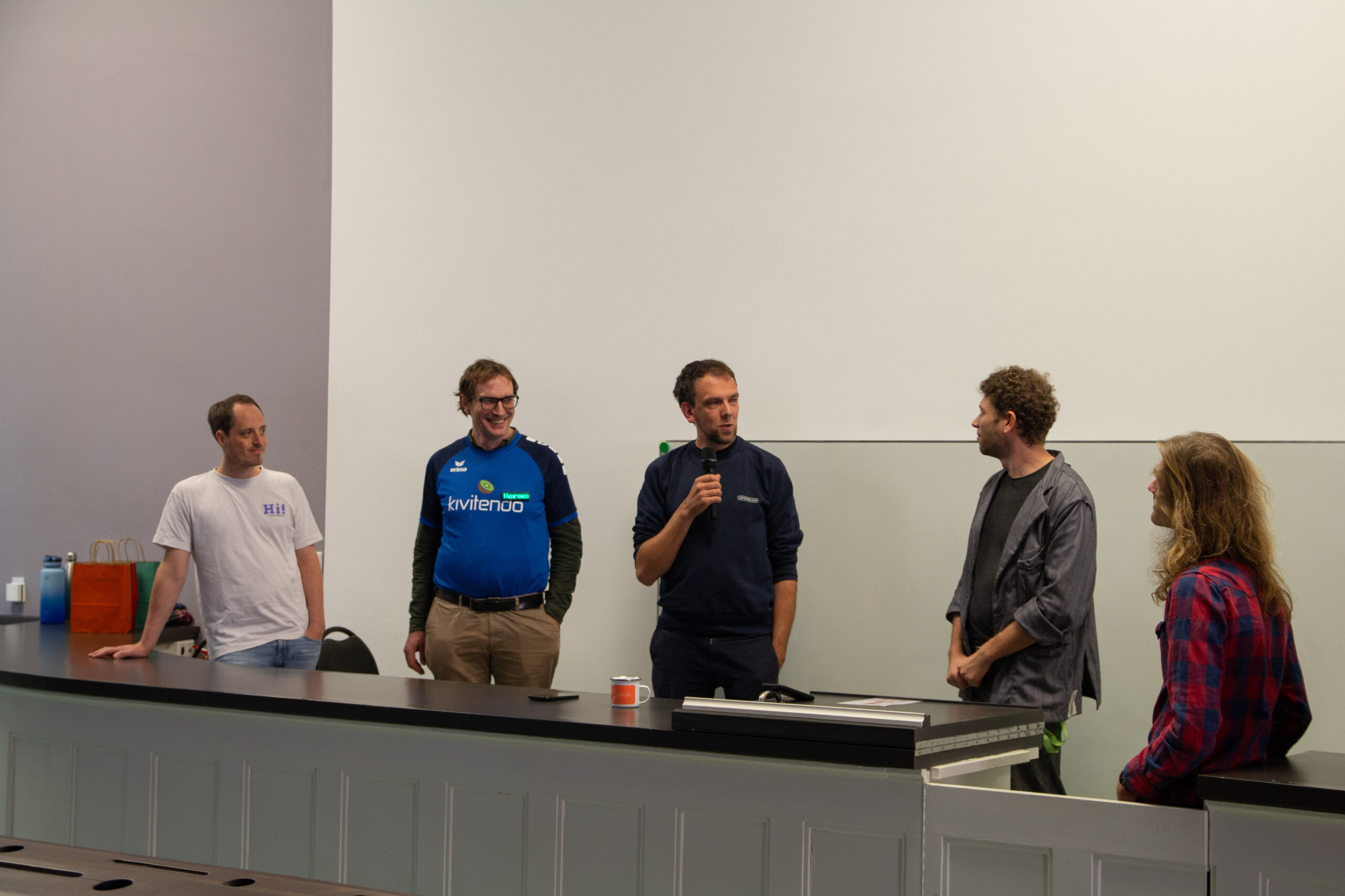
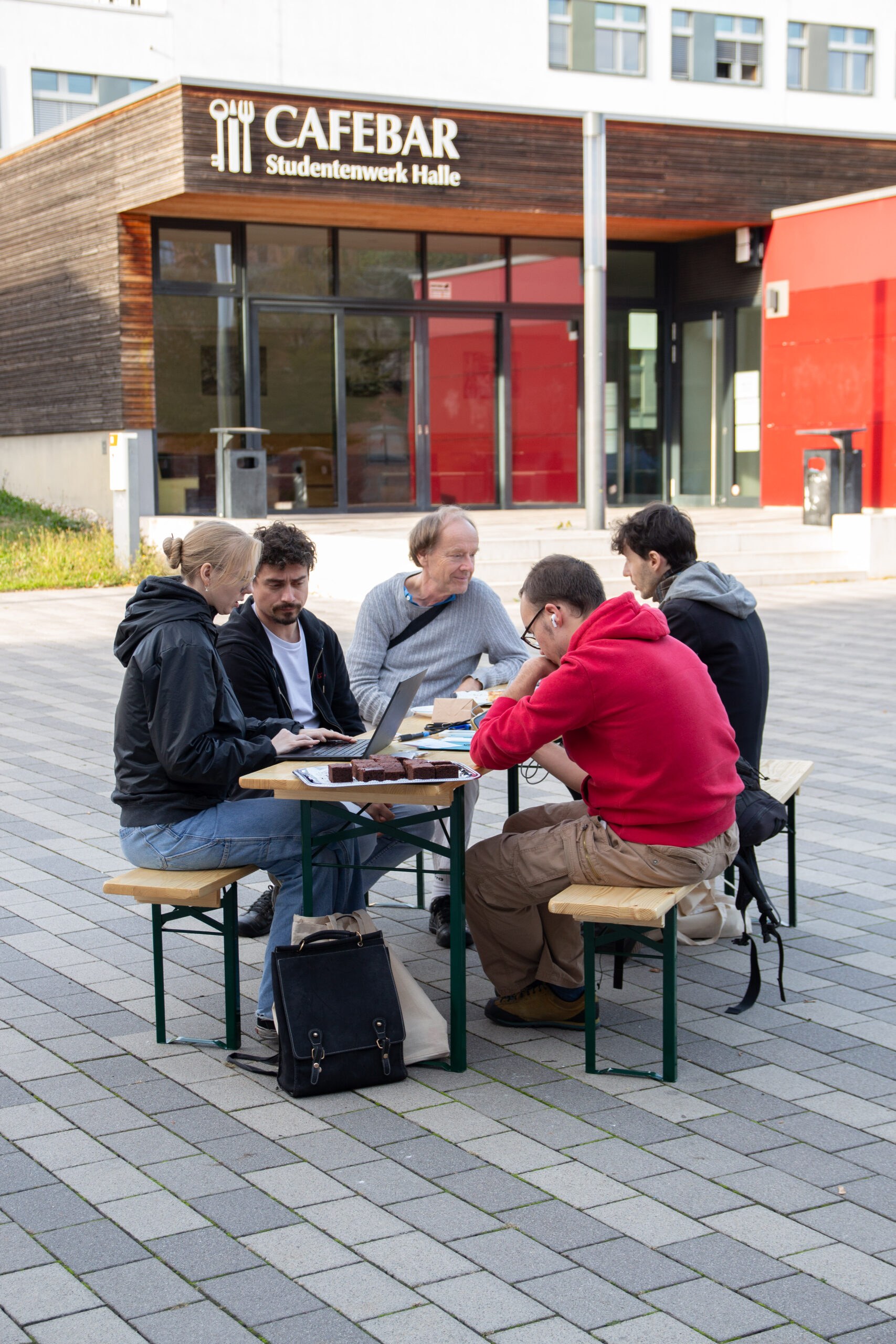
Researchers and staff from the Just Transition Center explored this question in a workshop at the Open Source Hardware Conference (OSHOP), which took place in Halle (Saale) on 23 and 24 September 2026.
Even at the start of the event, one thing became clear: open source has long moved beyond its niche. People from public administration, civil society and the private sector are increasingly interested in open technologies across the region – and they bring a wide range of perspectives with them.
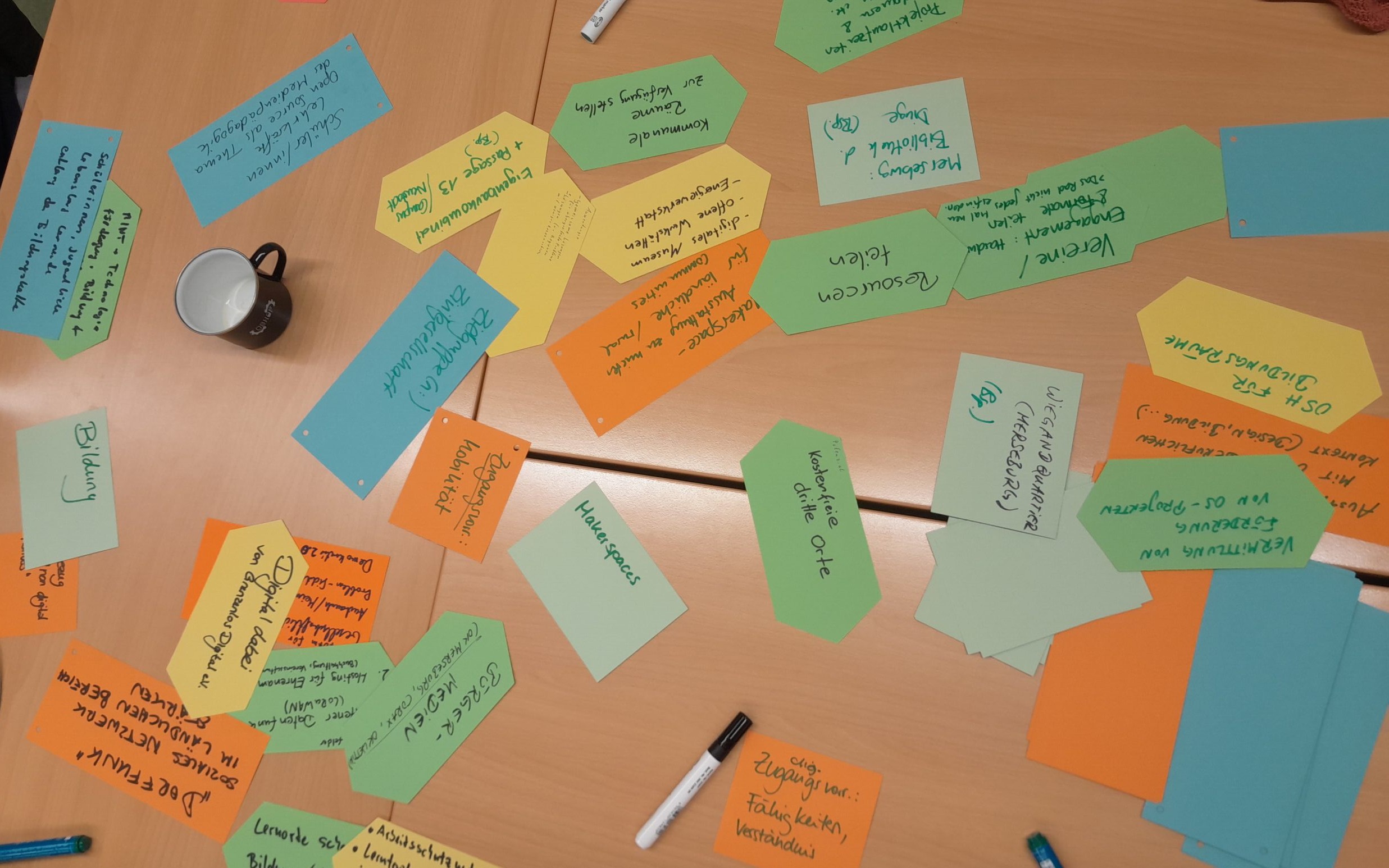
During the workshop, participants discussed fields of action and potential, concrete applications and products, needs and challenges, as well as possible target groups and implementers. The discussions produced a rich picture of the opportunities open source can offer the region. Below, we present some of the key findings.
Education: building knowledge and strengthening skills
In the field of education, one question stood out: how can we put open source into practice in our own environment? Many participants saw open technologies as a way to strengthen knowledge and skills locally.
Participants also called for the development of educational programmes and for greater use and promotion of “third places” as venues for lifelong learning.
Public administration: reducing uncertainty
Public administrations still face considerable uncertainty when working with open source. Common questions include: Which licences apply? How can we review code securely? And how can other municipalities reuse a solution later without difficulty?
These questions show that public authorities need reliable information, clear processes and opportunities to exchange experience in order to use open source successfully.
Business: rethinking business models
In particular, young designers and small and medium-sized enterprises from the open-source hardware sector took part in the workshop. They approached open source primarily from a business perspective.
The discussion focused on how new funding models – such as open pricing models – can be integrated into sustainable business models. Participants wanted more exchange on how such models can be developed, implemented and scaled. Their message was clear: “Why not talk more openly about money?”
Applications: gathering ideas and identifying gaps
Participants collected existing civil-society open-source projects and identified applications and products that do not yet exist. They mentioned the following areas particularly often:
-
networking platforms, such as a digital “noticeboard”
-
learning tools for digital education, artificial intelligence, education for sustainable development and democratic education
-
mobility solutions, such as the open-source platform “co-oto”
-
office and specialist software
-
full-service services for open-source projects
Target groups: open source affects everyone
The discussion of possible target groups and implementers showed that open source concerns society as a whole. Open technologies emerge through the interaction of different actors – between a civil society that often works on a voluntary basis, an increasingly sustainability-oriented economy and a public administration that takes responsibility for the common good.
How these actors collaborate remains a central question, one that must be renegotiated again and again.
Explore the results visually
To make the many ideas, questions and connections easier to grasp, we have brought the workshop’s result maps together in an interactive map. There, you can explore the topics and relationships discussed in greater depth.
Outlook: developing potential together
The workshop format proved successful: all participants were able to contribute their perspectives and discuss them together. Although no finished projects emerged within the limited time, the event made clear how many ideas and committed people already exist in the region.
The next step is to develop this potential further, so that open source can have a lasting impact across the region.
The JTC Innovation Team “Sustainability-Standardization” supports this process. Through the Open Source Project Office, it offers open, non-binding and free-of-charge advice on open-source technologies throughout the entire JTC project period. If you are interested, you can contact the team by email at any time or speak to them directly at one of the upcoming events.