European Center of Just Transition Research and Impact-Driven Transfer
  • German
  • MLU
  • Research
    • A Just Transition Society
      • A1  Structural Change & Participation
      • A2  Chemistry in Transition
      • A3  Phytomining & Bioextraction
      • A4  Just Transitions, Educational and Participation Opportunities for Children, Youth, and Adults
      • A5  Postindustrial Futures
      • A6  Diversity in Socioecological Transformations
      • A7  Transregional Just Transition Governance
    • B Sustainable Materials Technology
      • B1  CO₂-Sequestration and Soil Recultivation through Recycling of Mineral Residues
      • B2  Petrologoy of Raw Materials
      • B3  Green Molecules Conversion (GMC)
      • B4  Designer Proteins as Bio-based Binders
      • B5  New Photovoltaic Materials
      • B6  Batteries From Sustainable Materials
      • B7  Design of 3D-Printable Polymers Based on Regional Resources
    • C Labs
      • C1  Sustainability Standardisation
      • C2  LegalTech Lab
      • C3  Transformative Learning (TraiL)
    • D Transfer Incubator
  • In The Region
    • Transfer Incubator
    • Dialog and Impact Management
    • Transfer and Startup Coaching
    • Transferqualifizierung
    • Revier Scouts
    • Anhalt-Bitterfeld
    • Halle (Saale) and Saalekreis
    • Burgenlandkreis
    • Mansfeld-Südharz
  • Graduate school
    • Graduate School JUSTTRANSFER
    • Graduate program
  • About us
    • Just Transition Center
    • Projects
    • Publications
    • Events
    • News
  • in
Select Page

Regional Impact Through Open Source Technology?

Report
Report
Regional Impact Through Open Source Technology?
28. Sep 2026
Team C1
Workshop report from the third OSHOP Conference that took place on 23 to 24 September in Halle (Saale)
JTC Team A1 Strukturwandel &<br />
Partizipation: Gruppenbild – Dr. Jan Winkler, Hermine Bär, Cheyenne Wolf, Pia Kahlfuß, nicht abgebildet: Felix Schiedlowski

 Was geschieht, wenn Open Source-begeisterte Hallenser*innen aus der öffentlichen Verwaltung, der Zivilgesellschaft und der Privatwirtschaft zusammenkommen, um gemeinsam die Frage zu diskutieren, wie mit Open Source-Technologien ein regionaler Impact gelingen kann?

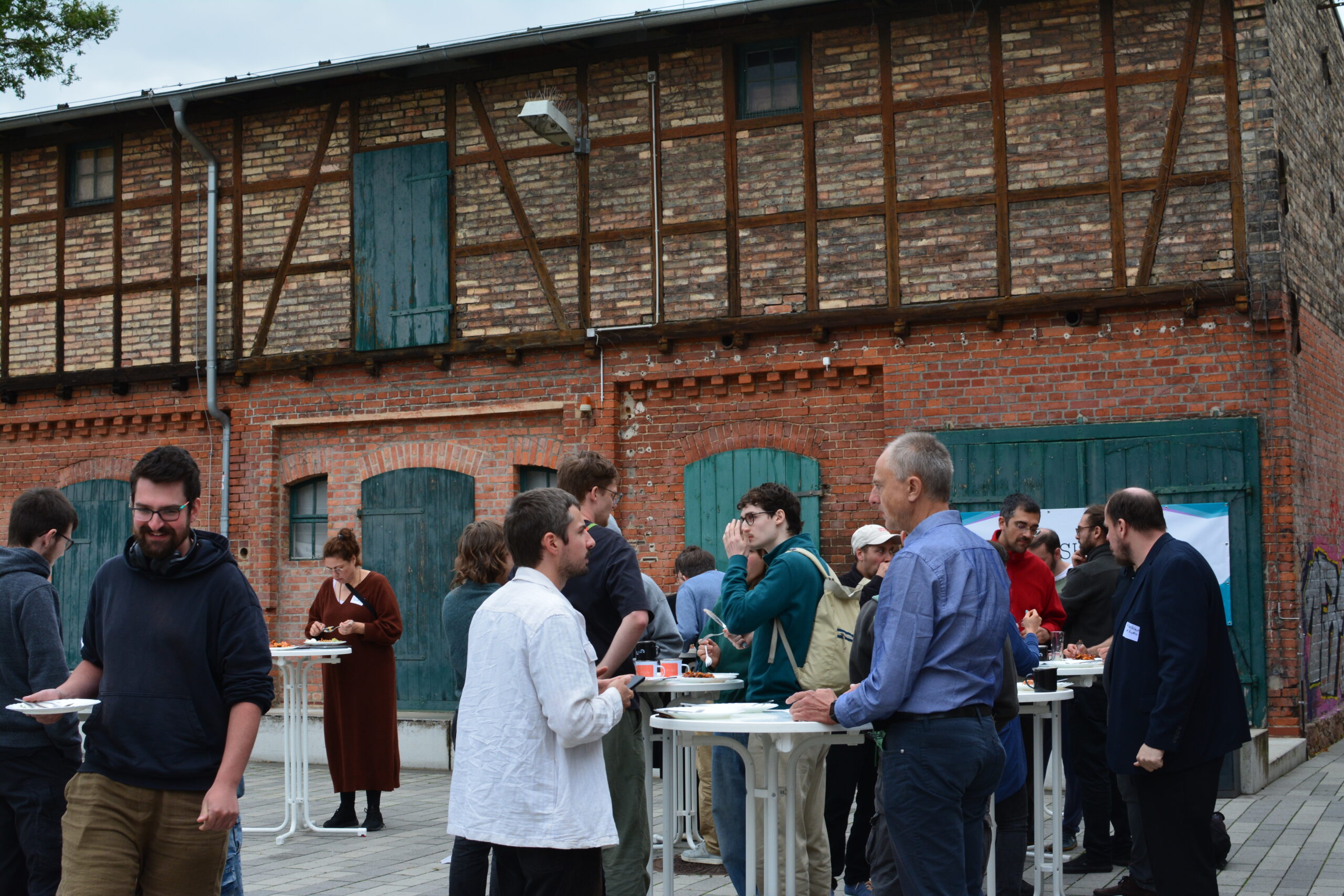
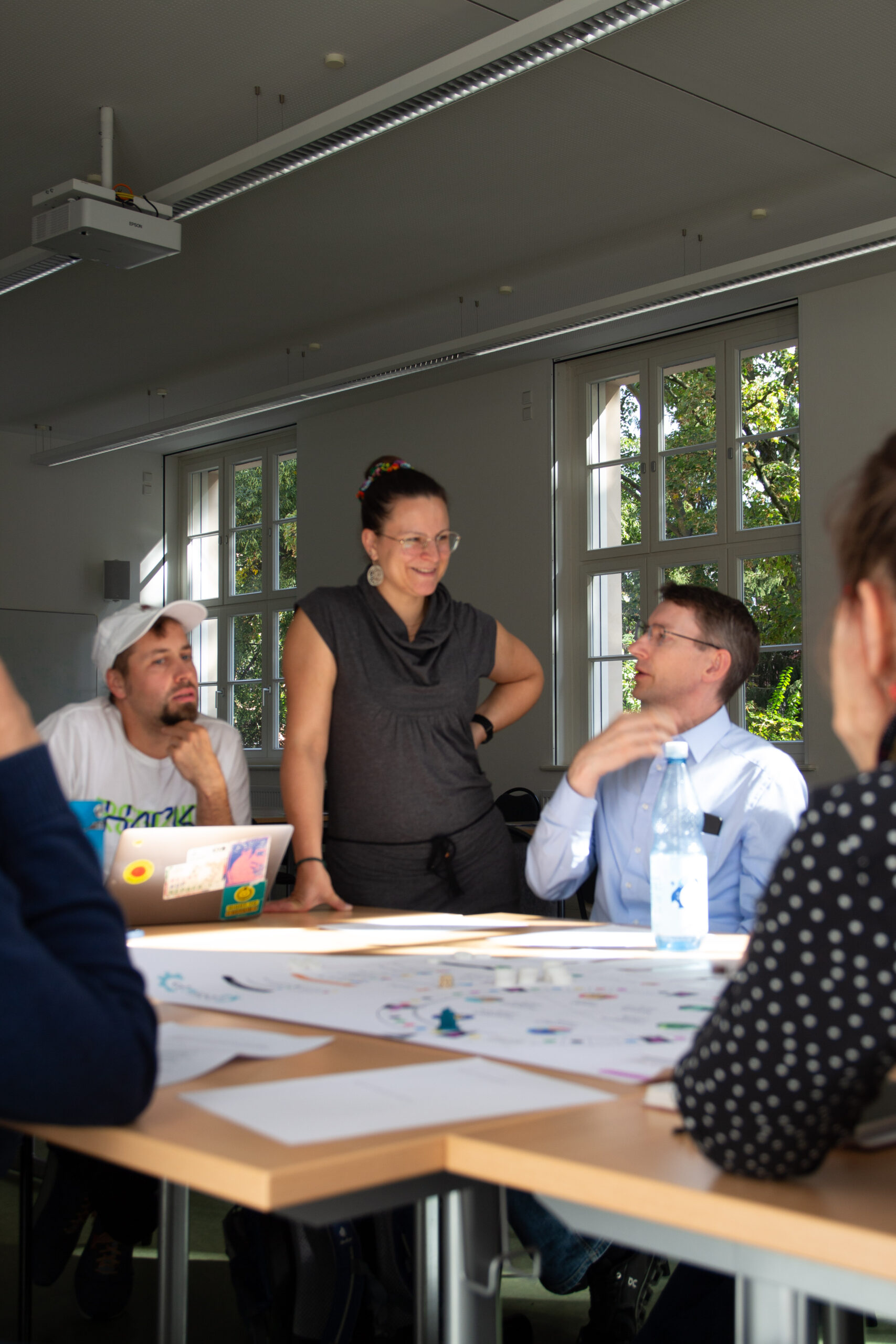
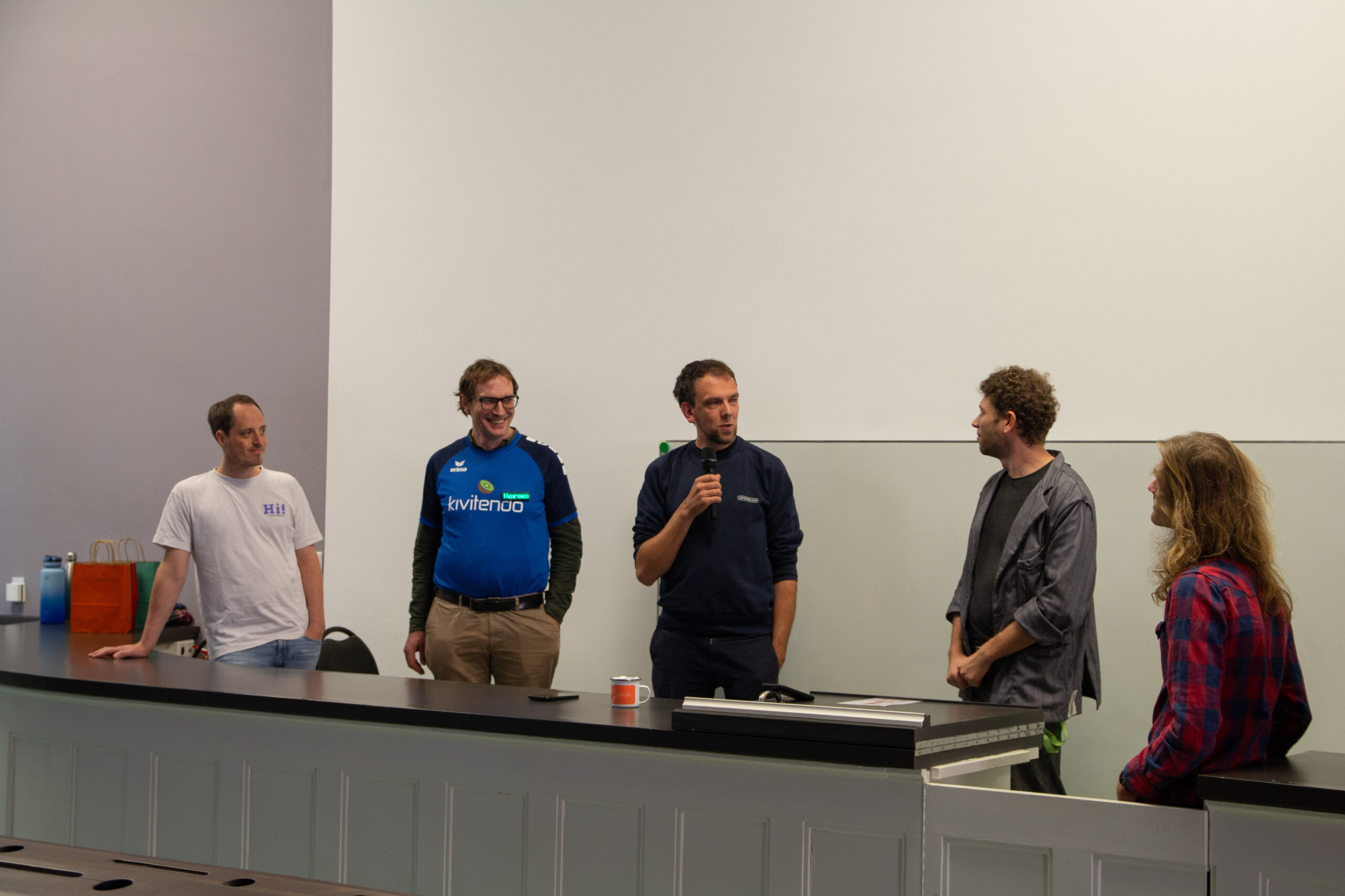
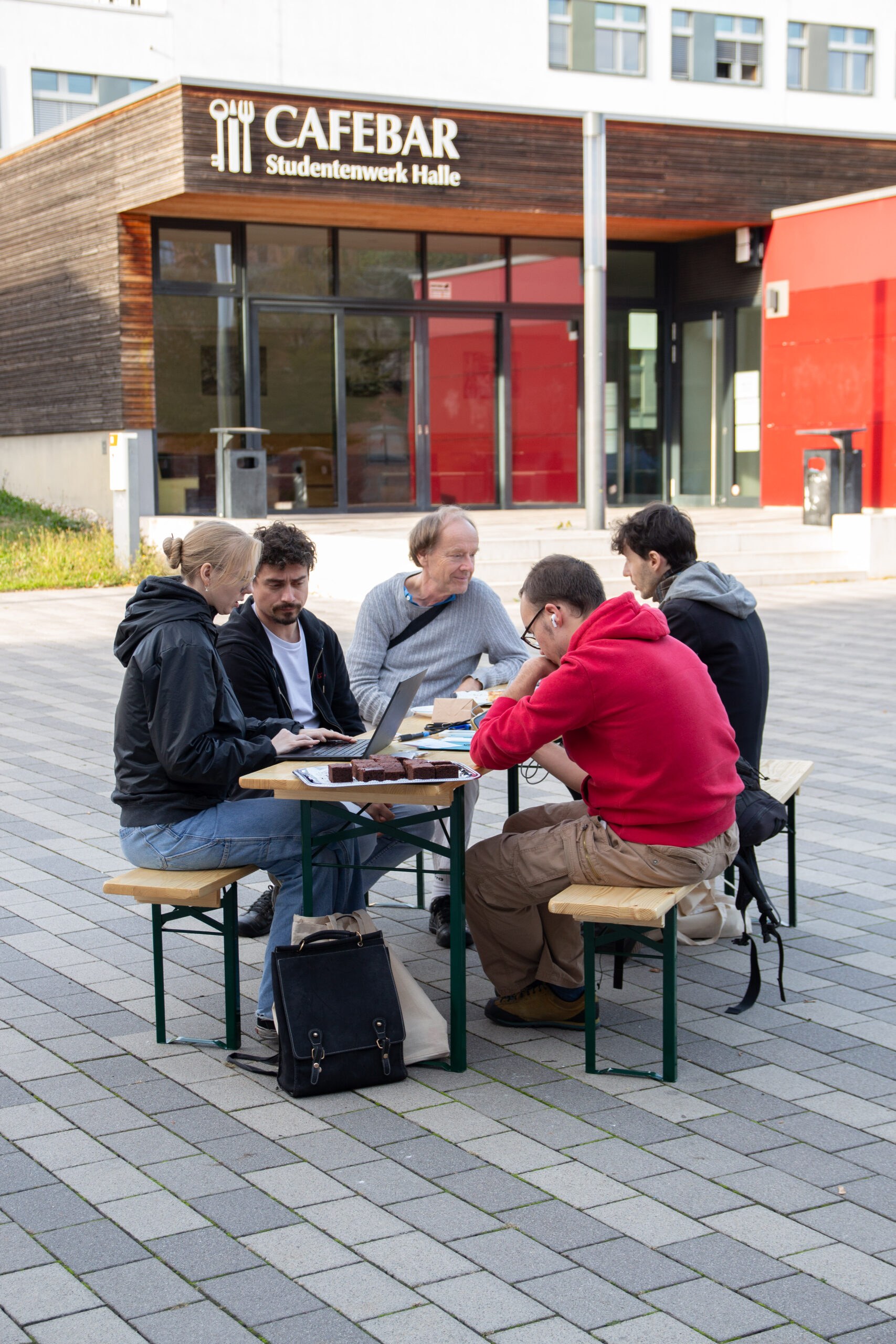
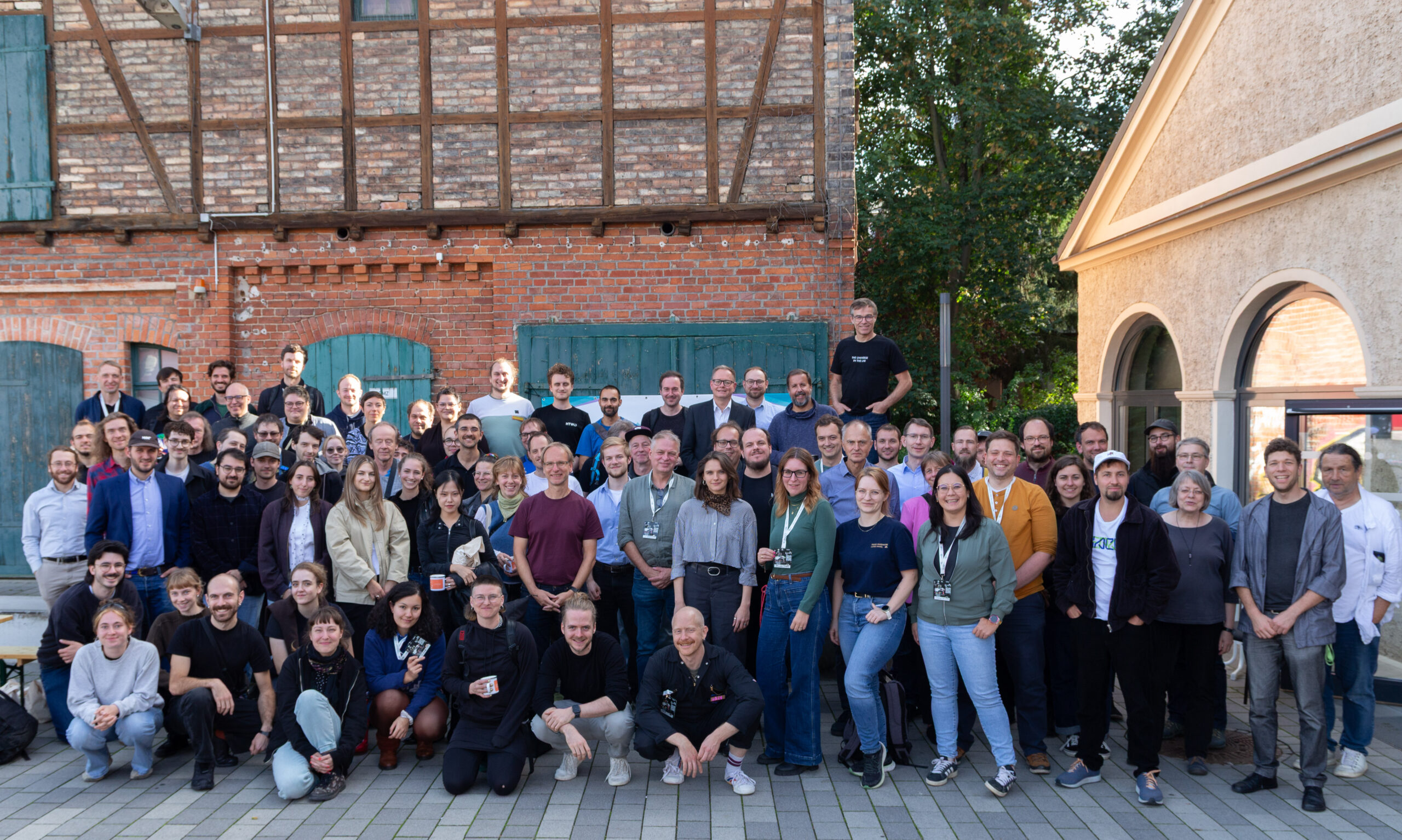
Researchers and staff from the Just Transition Center explored this question in a workshop at the Open Source Hardware Conference (OSHOP), which took place in Halle (Saale) on 23 and 24 September 2026.

Even at the start of the event, one thing became clear: open source has long moved beyond its niche. People from public administration, civil society and the private sector are increasingly interested in open technologies across the region – and they bring a wide range of perspectives with them.

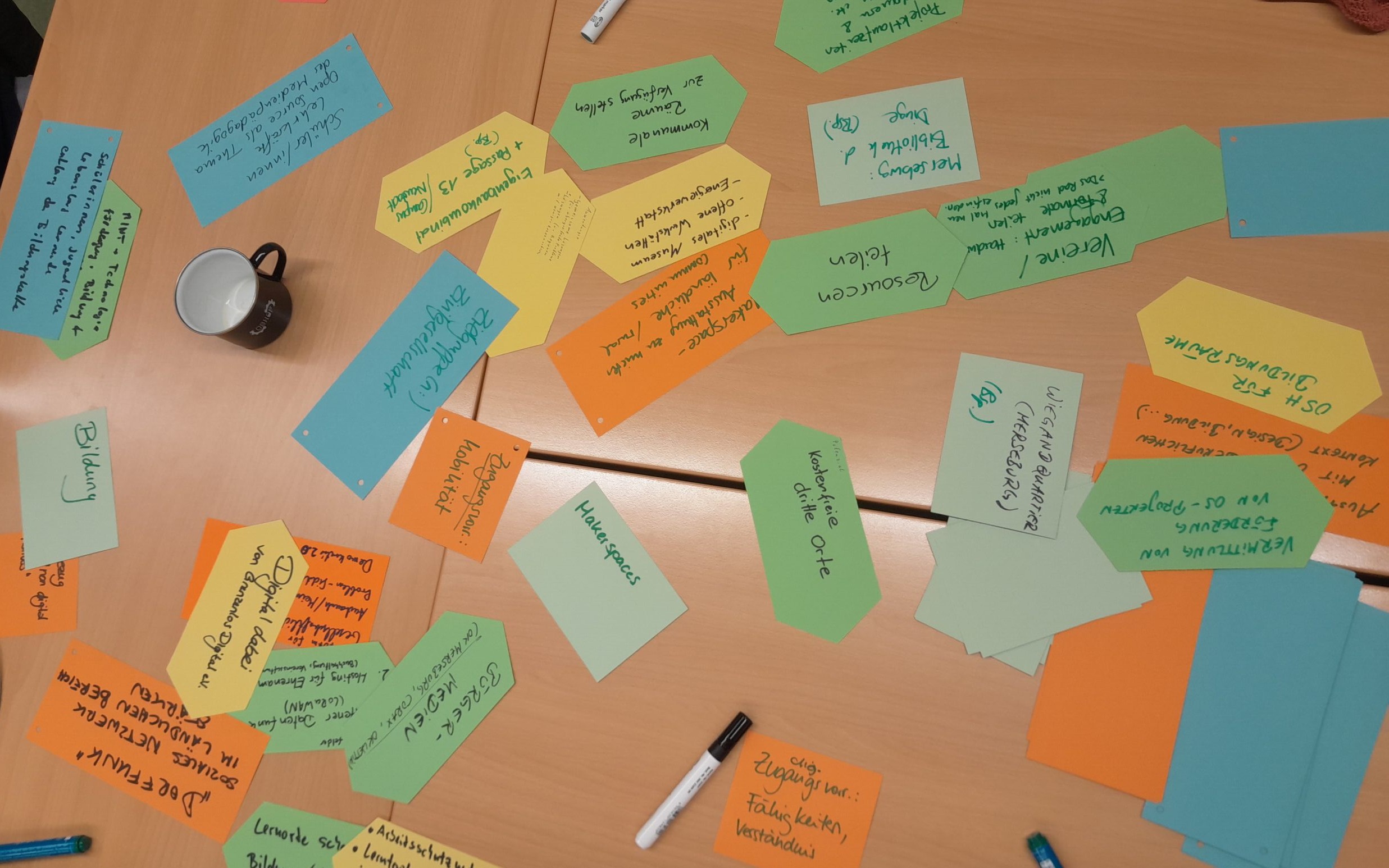
During the workshop, participants discussed fields of action and potential, concrete applications and products, needs and challenges, as well as possible target groups and implementers. The discussions produced a rich picture of the opportunities open source can offer the region. Below, we present some of the key findings.

Education: building knowledge and strengthening skills

In the field of education, one question stood out: how can we put open source into practice in our own environment? Many participants saw open technologies as a way to strengthen knowledge and skills locally.

Participants also called for the development of educational programmes and for greater use and promotion of “third places” as venues for lifelong learning.

Public administration: reducing uncertainty

Public administrations still face considerable uncertainty when working with open source. Common questions include: Which licences apply? How can we review code securely? And how can other municipalities reuse a solution later without difficulty?

These questions show that public authorities need reliable information, clear processes and opportunities to exchange experience in order to use open source successfully.

Business: rethinking business models

In particular, young designers and small and medium-sized enterprises from the open-source hardware sector took part in the workshop. They approached open source primarily from a business perspective.

The discussion focused on how new funding models – such as open pricing models – can be integrated into sustainable business models. Participants wanted more exchange on how such models can be developed, implemented and scaled. Their message was clear: “Why not talk more openly about money?”

Applications: gathering ideas and identifying gaps

Participants collected existing civil-society open-source projects and identified applications and products that do not yet exist. They mentioned the following areas particularly often:

  • networking platforms, such as a digital “noticeboard”

  • learning tools for digital education, artificial intelligence, education for sustainable development and democratic education

  • mobility solutions, such as the open-source platform “co-oto”

  • office and specialist software

  • full-service services for open-source projects

Target groups: open source affects everyone

The discussion of possible target groups and implementers showed that open source concerns society as a whole. Open technologies emerge through the interaction of different actors – between a civil society that often works on a voluntary basis, an increasingly sustainability-oriented economy and a public administration that takes responsibility for the common good.

How these actors collaborate remains a central question, one that must be renegotiated again and again.

Explore the results visually

To make the many ideas, questions and connections easier to grasp, we have brought the workshop’s result maps together in an interactive map. There, you can explore the topics and relationships discussed in greater depth.

Outlook: developing potential together

The workshop format proved successful: all participants were able to contribute their perspectives and discuss them together. Although no finished projects emerged within the limited time, the event made clear how many ideas and committed people already exist in the region.

The next step is to develop this potential further, so that open source can have a lasting impact across the region.

The JTC Innovation Team “Sustainability-Standardization” supports this process. Through the Open Source Project Office, it offers open, non-binding and free-of-charge advice on open-source technologies throughout the entire JTC project period. If you are interested, you can contact the team by email at any time or speak to them directly at one of the upcoming events.
 

← Third JustN0W Annual Conference - MLU and Durham University Commit to Strategic Partnership Team A1 at RGS 2026: Shaping Socio-Ecologial Transformation in Everyday Life →
Zurück

Teams

Just Transition Society
  • A Just Transition Society
  • A1 Structural change & Participation
  • A2 Perspectives for research into petromodernity
  • A3 Networking with regions undergoing structural change
  • A4 Fair transitions for children, young people and adults
  • A5 Strategies for the development of the transition region
  • A6 Demographic change & the potential of immigration
  • A7 Transregional Just Transition Governance
Sustainable Materials Technology
  • B Sustainable Materials Technology
  • B1 CO₂-Sequestration & Soil Recultivation through Recycling of Mineral Residues
  • B2 Raw material petrology: Petrology of mineral resources
  • B3 Bifunctional catalysing materials for green molecules
  • B4 Designer proteins as bio-based binders
  • B5 Solar cell research based on unexplored photovoltaic materials
  • B6 Batteries from sustainable materials
  • B7 Design 3D-printable polymers based on regional resources
Labs
  • C Labs
  • C1 Sustainability standardisation
  • C2 LegalTech Lab
  • C3 EdTech in rural areas
D Transferincubator

Revierscouts

Anhalt-Bitterfeld
Burgenlandkreis
Halle (Saale) and Saalekreis
Mansfeld-Südharz

Graduate school

Graduate school Info
Graduate program

About us

News
Events
Publications
Contact
Projects

Follow us

LinkedIn icon
Förderlogos: Gefördert vom Land Sachsen-Anhalt und Finanziert von der Europäischen Union
  • Contact
  • Imprint
  • Privacy policy
Cookies

Auf diesen Seiten gibt es externe Inhalte von Drittanbietern, die Geräteinformationen speichern. Bei abgelehnten Cookies können bestimmte Merkmale und Funktionen beeinträchtigt werden.

Funktional Always active
Die technische Speicherung oder der Zugang ist unbedingt erforderlich für den rechtmäßigen Zweck, die Nutzung eines bestimmten Dienstes zu ermöglichen, der vom Teilnehmer oder Nutzer ausdrücklich gewünscht wird, oder für den alleinigen Zweck, die Übertragung einer Nachricht über ein elektronisches Kommunikationsnetz durchzuführen.
Präferenzen
Die technische Speicherung oder der Zugriff ist für den rechtmäßigen Zweck der Speicherung von Präferenzen erforderlich, die nicht vom Abonnenten oder Benutzer angefordert wurden.
Statistiken
Die technische Speicherung oder der Zugriff, der ausschließlich zu statistischen Zwecken erfolgt. Die technische Speicherung oder der Zugriff, der ausschließlich zu anonymen statistischen Zwecken verwendet wird. Ohne eine Vorladung, die freiwillige Zustimmung deines Internetdienstanbieters oder zusätzliche Aufzeichnungen von Dritten können die zu diesem Zweck gespeicherten oder abgerufenen Informationen allein in der Regel nicht dazu verwendet werden, dich zu identifizieren.
Drittanbieter
Die technische Speicherung oder der Zugriff ist erforderlich, um die Dienste von Drittanbietern wie YouTube, OSM oder GoogleMaps zu nutzen, die ggf. Informationen zu Marketingzwecken speichern.
  • Manage options
  • Manage services
  • Manage {vendor_count} vendors
  • Read more about these purposes
Einstellungen
  • {title}
  • {title}
  • {title}