
Phytomining & Bioextraction
We are exploring innovative approaches to a resource-efficient, environmentally friendly and sustainable bioeconomy – with a particular focus on regions with contaminated soil and water.
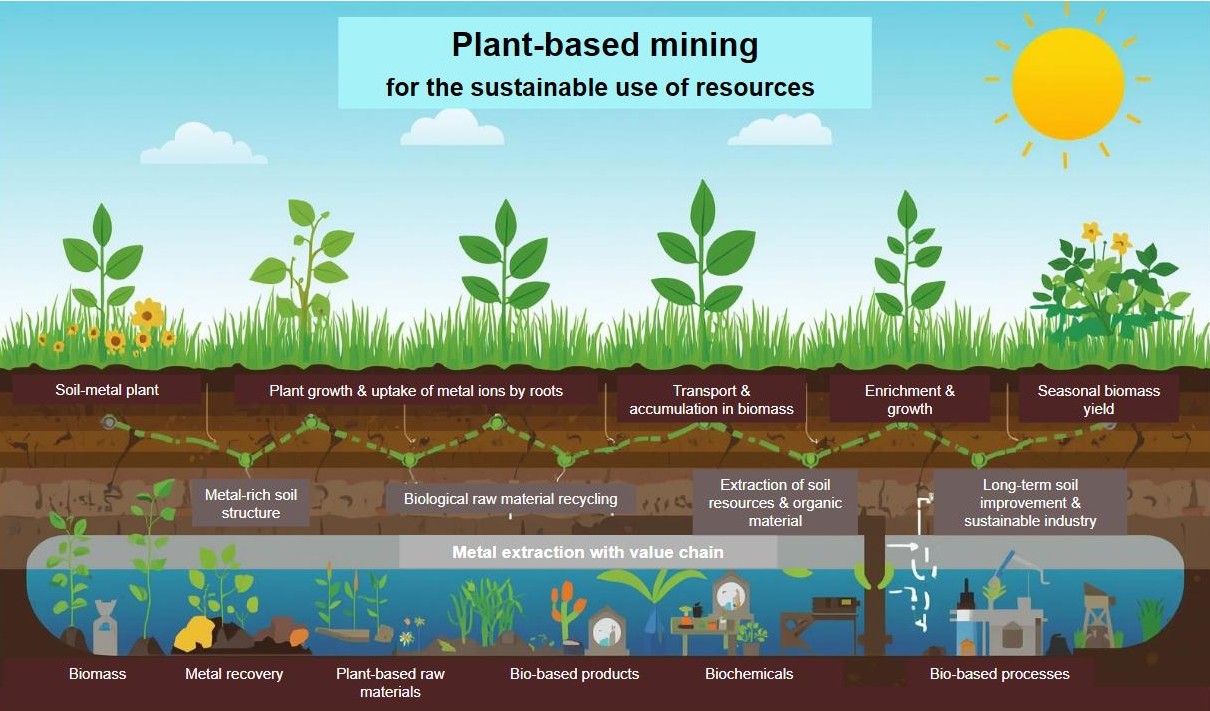
In our research, we are exploring innovative approaches to a resource-efficient, environmentally friendly and sustainable bioeconomy – with a particular focus on regions with contaminated soil and water. Our work centres on utilising previously untapped environmental resources through integrated process chains that combine ecological and economic objectives. To this end, we combine the plant-based processes of phytomining and bioextraction with the processing and utilisation of biomass, the recovery of valuable materials, and the development of bio-based materials and products. This gives rise to new approaches that combine environmental relief with economically measurable value creation and, furthermore, make an important contribution to helping shape, strengthen and secure a future worth living in.
read more
Our research focuses on developing innovative biological processes that combine environmental responsibility with social acceptance and economic viability. The emphasis is on plant-based technologies such as phytomining and bioextraction, which open up new avenues for sustainable regional Just Transition.
These processes utilise the natural abilities of certain plants and their biological partners to absorb valuable elements from soils and other environmental media and store them in their tissues. Natural and raw materials can be recovered from the biomass obtained in this way and integrated into industrial circular processes. This yields dual benefits: contaminated sites are remediated whilst new sources of resources are tapped.
Phytomining and bioextraction are based on plants’ evolutionary adaptations to metal-rich or contaminated habitats. In this context, the uptake of elements activates plant defence mechanisms such as the formation of antioxidants, the strengthening of cell walls and signalling pathways for intracellular damage limitation. These processes increase the plants’ resilience to environmental stress and promote their adaptability to changing conditions. Our research aims to demonstrate that these specific biological adaptations have an impact far beyond the plants themselves and their biogeochemical interactions. They strengthen entire ecosystems, promote biodiversity and contribute to the long-term and environmentally sustainable use of natural resources. At the same time, they generate social and economic benefits – ranging from food security and health to stable regional value creation and social and cultural resilience.
Our aim is to create new perspectives for the environment, the economy, and society by combining science and innovation with practical application. Biological processes thus become a key to sustainable development, ecological balance, and a resilient future.
We cordially invite you
Here you can find all the events where you can meet our research team. We look forward to your visit!
Zur Zeit keine aktuellen Events
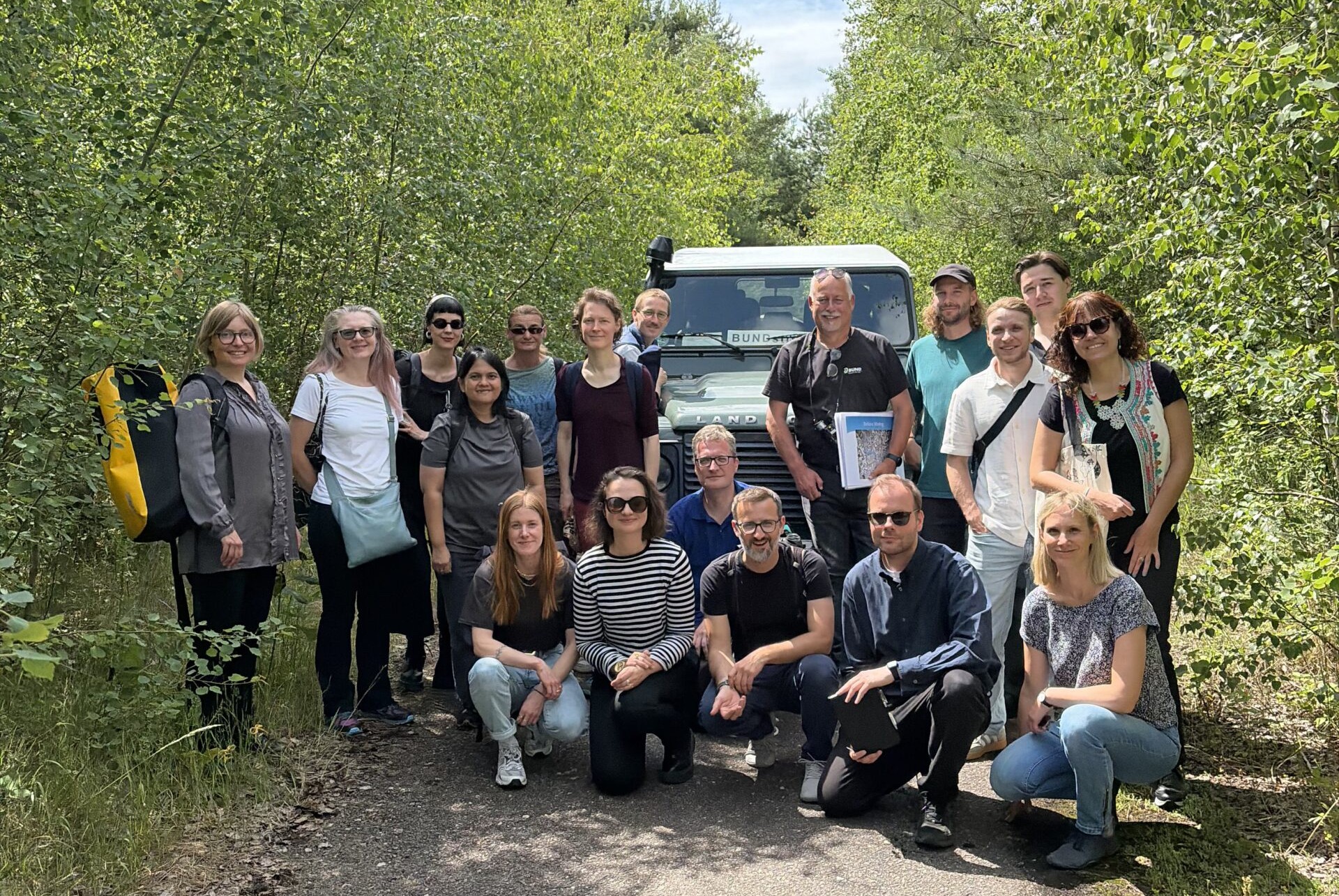
Water and Transformation: Field Visit to Bitterfeld-Wolfen
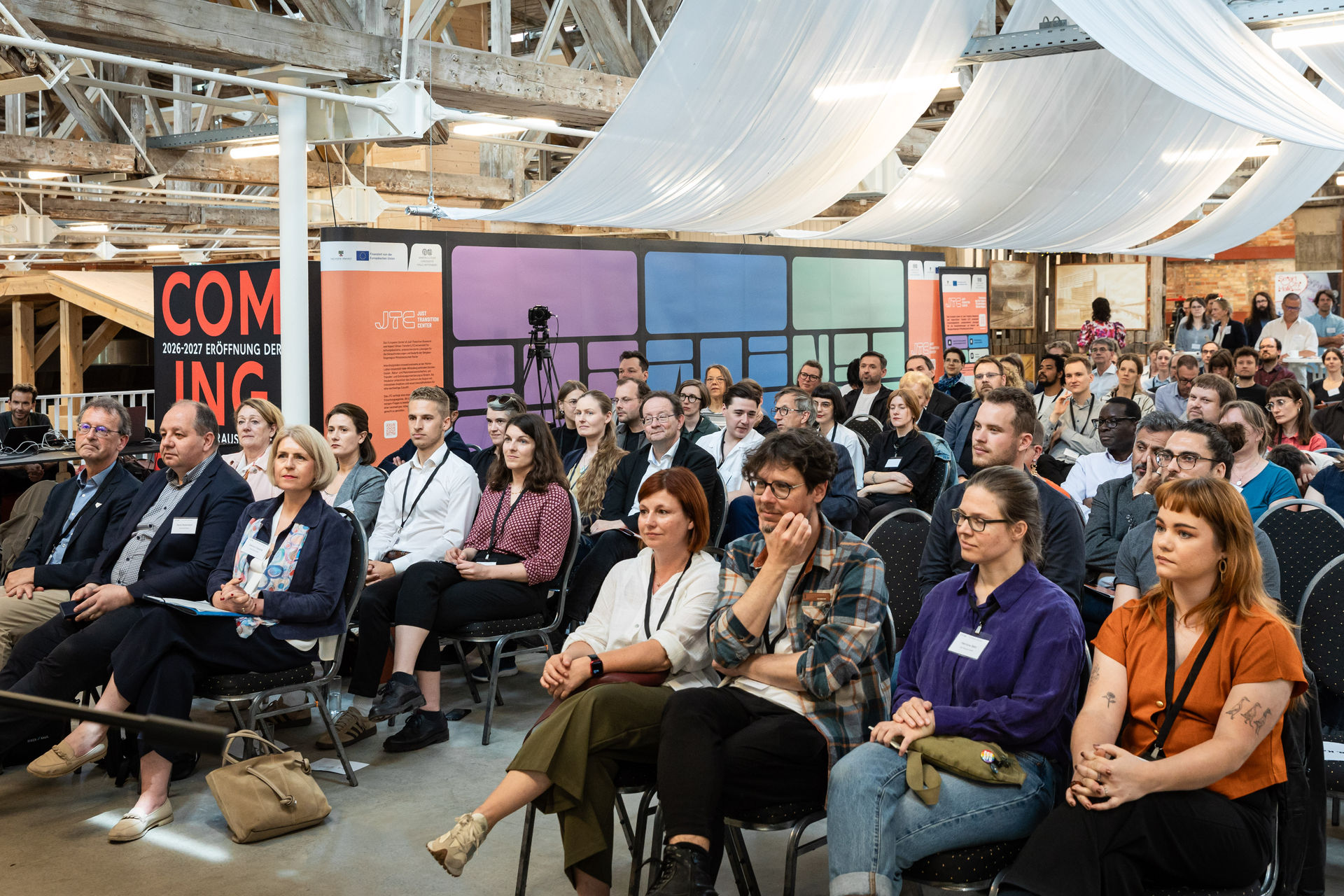
From PV Burgers to Smart City: Successful Networking at JTC Meets Halle
Just Transition in Brussels: JTC at Summer Reception of the Regional Representation

Future in Focus: Exchange Between JTC and TalTech
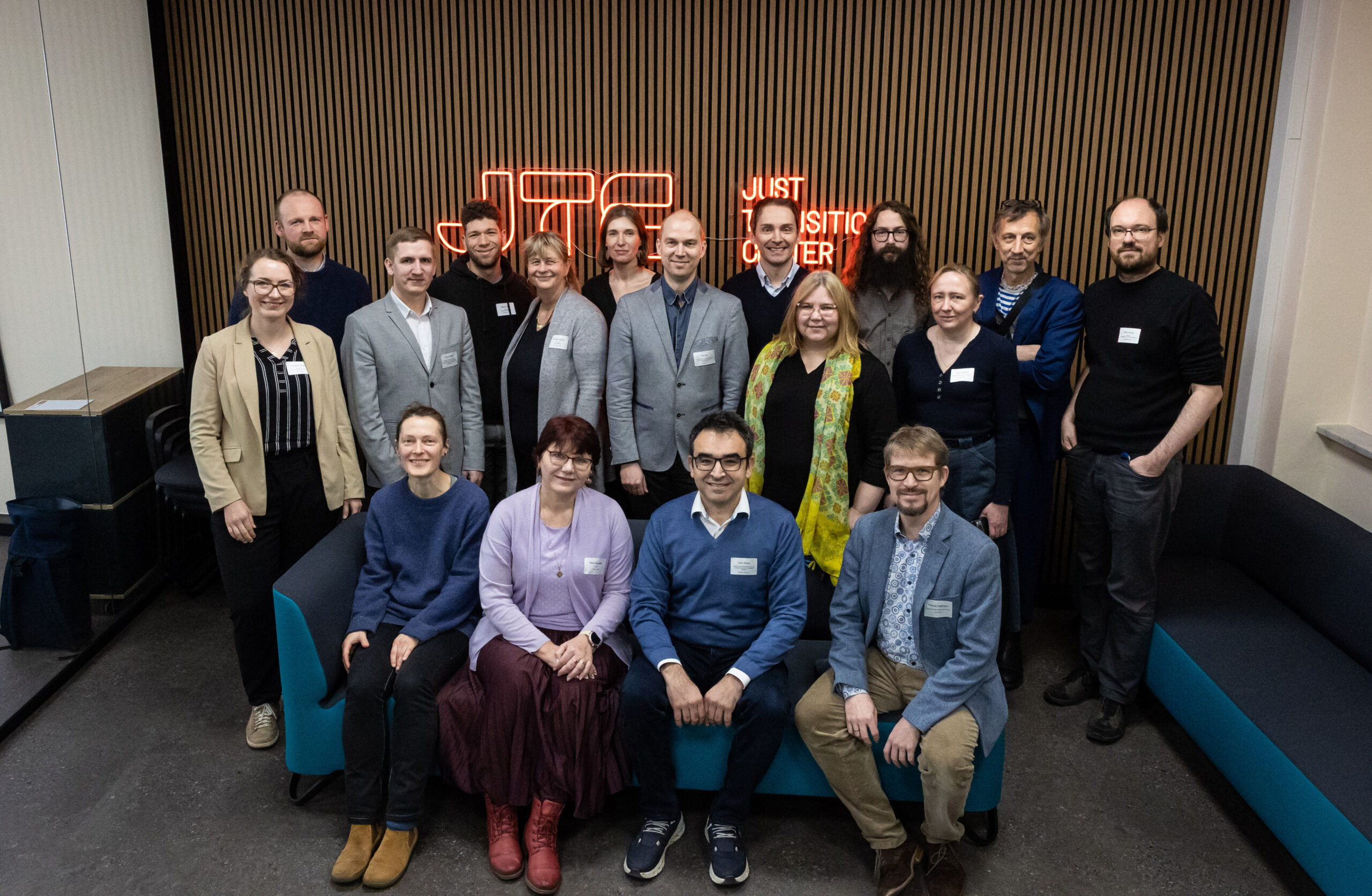
Co-creating Innovation and Change – “JTC Meets SMEs”
